

How Are Stainless Steel Cold Forged Parts Manufactured?
2026-02-10
Article Summary
Stainless steel cold forged parts are widely used in automotive, industrial machinery, construction hardware, and precision equipment due to their strength, dimensional accuracy, and material efficiency. This article explains how stainless steel cold forged parts are manufactured, what problems they solve for buyers, and how to evaluate suppliers and product quality. It provides a structured overview of the process, material selection, performance advantages, application scenarios, and common buyer concerns to support informed sourcing decisions.
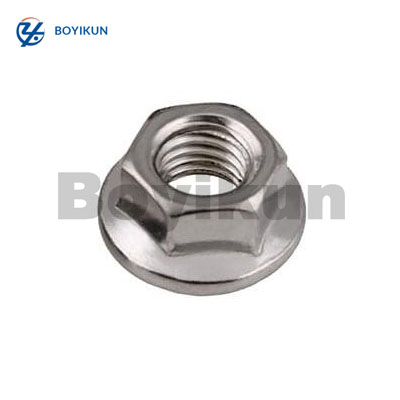
Table of Contents
- Content Outline
- Understanding Stainless Steel Cold Forged Parts
- Cold Forging Manufacturing Process
- Stainless Steel Material Selection
- Key Advantages for End Users
- Typical Application Scenarios
- Quality Control and Performance Standards
- How to Choose the Right Supplier
- Frequently Asked Questions
Content Outline
- Core concept and definition of cold forging technology
- Step-by-step explanation of the stainless steel cold forging process
- Material grades and performance considerations
- Buyer pain points and how cold forging addresses them
- Industry applications and use cases
- Quality assurance, tolerances, and consistency
- Supplier evaluation and sourcing guidance
Understanding Stainless Steel Cold Forged Parts
Stainless steel cold forged parts are metal components formed at or near room temperature through high-pressure deformation. Unlike machining or hot forging, cold forging reshapes stainless steel without melting or cutting away material. This process improves internal grain structure, resulting in enhanced mechanical strength and surface integrity.
These parts are commonly used where high load-bearing capacity, corrosion resistance, and dimensional consistency are required. Typical examples include fasteners, shafts, pins, connectors, bushings, and customized structural components.
Cold Forging Manufacturing Process
The cold forging process follows a controlled sequence designed to maximize material performance while minimizing waste. Below is a simplified overview of how stainless steel cold forged parts are produced:
- Raw Material Preparation: Stainless steel wire or bar is cut into precise blanks.
- Lubrication Treatment: Specialized coatings reduce friction and protect tooling.
- Cold Deformation: High-pressure dies shape the material into near-net form.
- Secondary Operations: Optional steps such as threading, trimming, or surface finishing.
- Inspection and Packaging: Dimensional and mechanical checks before delivery.
This process allows high-volume production with excellent repeatability, making it ideal for large-scale industrial demand.
Stainless Steel Material Selection
Material selection directly affects corrosion resistance, strength, and service life. Common stainless steel grades used in cold forging include:
| Stainless Steel Grade | Key Characteristics | Typical Applications |
|---|---|---|
| 304 | Excellent corrosion resistance, good formability | General fasteners, structural parts |
| 316 | Superior resistance to chemicals and salt | Marine, chemical, and medical components |
| 410 | High strength after heat treatment | Mechanical and load-bearing parts |
Choosing the correct grade ensures long-term performance and compliance with industry requirements.
Key Advantages for End Users
Stainless steel cold forged parts address several common buyer concerns related to cost, durability, and consistency:
- Higher Strength: Grain flow follows part geometry, improving fatigue resistance.
- Material Efficiency: Minimal waste compared to machining processes.
- Dimensional Accuracy: Tight tolerances reduce the need for secondary machining.
- Improved Surface Quality: Smooth finishes enhance corrosion resistance.
- Cost Stability: Ideal for mass production with predictable unit pricing.
Typical Application Scenarios
Stainless steel cold forged parts are used across multiple industries where reliability is critical:
- Automotive systems such as transmission components and fasteners
- Industrial equipment and mechanical assemblies
- Construction hardware and anchoring systems
- Energy, fluid control, and pump components
- Precision instruments and engineered assemblies
Quality Control and Performance Standards
Consistent quality is a primary concern for buyers sourcing cold forged components. Reliable manufacturers implement strict quality control measures, including:
- Dimensional inspection using calibrated gauges
- Mechanical testing for tensile strength and hardness
- Surface defect and appearance checks
- Traceability of raw materials and production batches
These controls help ensure stable performance and reduce downstream assembly risks.
How to Choose the Right Supplier
When selecting a stainless steel cold forged parts supplier, buyers should focus on long-term capability rather than short-term pricing. Key evaluation criteria include:
- Experience with stainless steel cold forging processes
- Ability to customize tooling and part geometry
- Stable quality management and inspection systems
- Clear communication and technical support
- Proven delivery reliability for large or repeat orders
A capable supplier can help optimize part design, reduce total cost, and support future scaling needs.
Frequently Asked Questions
Q1: Are stainless steel cold forged parts stronger than machined parts?
Yes. Cold forging improves internal grain structure, resulting in higher strength and better fatigue resistance compared to parts made solely by machining.
Q2: Can cold forged parts be customized for specific applications?
Cold forging supports a wide range of customized geometries. Tooling is designed according to drawings or samples, allowing precise control over dimensions and features.
Q3: Is cold forging suitable for large production volumes?
Cold forging is especially suitable for high-volume production due to its efficiency, repeatability, and low material waste.
Conclusion
Stainless steel cold forged parts provide a reliable solution for industries requiring strength, accuracy, and durability. By understanding the manufacturing process, material options, and quality considerations, buyers can reduce sourcing risks and achieve consistent product performance.
With proven experience in stainless steel cold forging, Boyikun delivers stable, high-quality components tailored to diverse industrial needs. For customized solutions, technical support, or detailed quotations, contact us today to discuss how Boyikun can support your next project.