

How Are High-Carbon Steel Pipes Used in Heavy-Duty Industrial Applications?
2026-05-25
High-carbon steel pipes are widely used in industries that require superior strength, wear resistance, and long-term durability under extreme working conditions. From mining operations and structural engineering to oil transportation and machinery manufacturing, these pipes deliver dependable performance where ordinary materials fail. Selecting the right high-carbon steel pipe can significantly reduce maintenance costs, improve operational safety, and increase equipment lifespan.
In this article, Lingchuang Steel Group Co., Ltd. explains the characteristics, applications, manufacturing processes, advantages, and purchasing considerations of high-carbon steel pipes to help buyers make informed decisions for industrial projects.
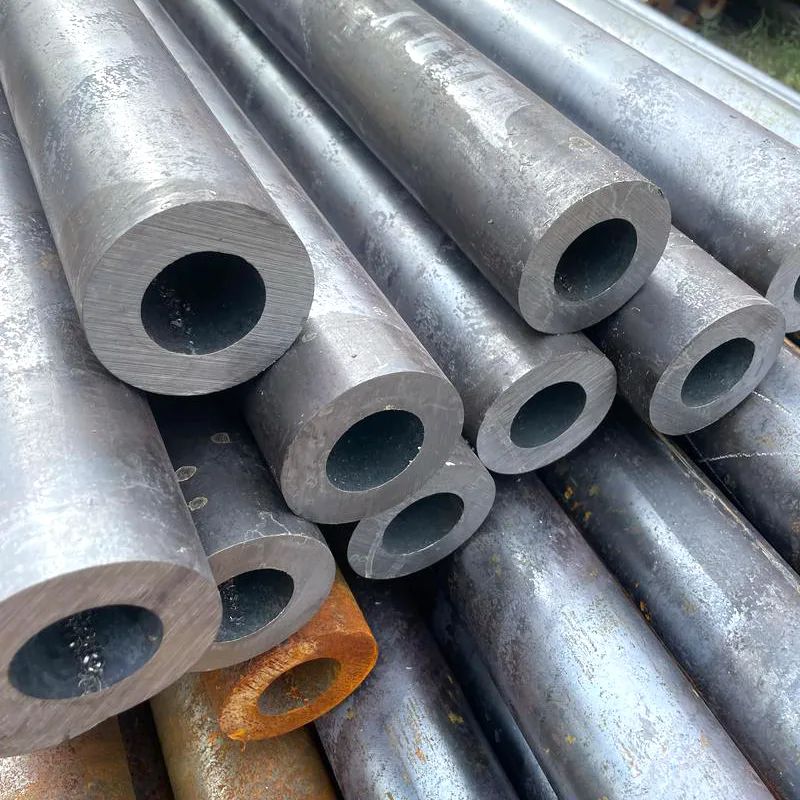
Table of Contents
- What Are High-Carbon Steel Pipes?
- Chemical Composition and Material Properties
- How High-Carbon Steel Pipes Are Manufactured
- Advantages of High-Carbon Steel Pipes
- Industrial Applications
- Comparison With Other Steel Pipes
- How to Choose the Right High-Carbon Steel Pipe
- Maintenance and Corrosion Protection
- Frequently Asked Questions
- Conclusion
What Are High-Carbon Steel Pipes?
High-carbon steel pipes are steel tubes manufactured with a higher carbon content than standard carbon steel materials. Typically, the carbon content ranges between 0.60% and 1.00%, which provides increased hardness and tensile strength.
These pipes are designed for demanding industrial environments where resistance to abrasion, pressure, and mechanical stress is critical. Compared with low-carbon or mild steel pipes, high-carbon steel pipes offer stronger structural performance but require precise manufacturing and heat treatment to maintain balanced toughness.

Industries often choose high-carbon steel pipes for applications involving:
- High-pressure fluid transportation
- Heavy machinery manufacturing
- Construction engineering
- Mining equipment systems
- Industrial boilers
- Automotive components
Chemical Composition and Material Properties
The performance of high-carbon steel pipes is directly influenced by their chemical composition. Carbon is the primary strengthening element, but manganese, silicon, sulfur, and phosphorus also affect overall mechanical characteristics.
| Element | Typical Percentage | Function |
|---|---|---|
| Carbon | 0.60% - 1.00% | Increases hardness and strength |
| Manganese | 0.30% - 0.90% | Improves toughness |
| Silicon | 0.10% - 0.35% | Enhances strength and elasticity |
| Phosphorus | ≤0.04% | Controls brittleness |
| Sulfur | ≤0.05% | Improves machinability |
Due to the higher carbon content, these pipes exhibit:
- Excellent wear resistance
- High tensile strength
- Improved load-bearing capability
- Superior resistance to deformation
- Long service life in harsh environments
How High-Carbon Steel Pipes Are Manufactured
The manufacturing process plays a major role in determining pipe quality and performance. Reliable manufacturers follow strict production standards to ensure dimensional accuracy and material consistency.
The main production stages include:
- Raw material selection
- Steel melting and refining
- Hot rolling or cold drawing
- Pipe forming
- Heat treatment
- Surface finishing
- Quality inspection and testing
Heat treatment is particularly important because it improves hardness while reducing internal stress. Common heat treatment methods include annealing, quenching, and tempering.
At Lingchuang Steel Group Co., Ltd., strict quality control procedures are implemented throughout production to ensure every pipe meets industrial performance requirements.
Advantages of High-Carbon Steel Pipes
Many industrial buyers select high-carbon steel pipes because of their ability to withstand challenging operational environments.
| Advantage | Description |
|---|---|
| High Strength | Handles heavy loads and high pressure efficiently |
| Wear Resistance | Suitable for abrasive materials and harsh conditions |
| Long Lifespan | Reduces replacement frequency and maintenance costs |
| Thermal Resistance | Performs well in high-temperature environments |
| Structural Stability | Maintains dimensional accuracy under stress |
These advantages make high-carbon steel pipes an excellent solution for demanding engineering projects.
Industrial Applications
High-carbon steel pipes are used across a wide range of industrial sectors because of their outstanding mechanical performance.
Mining Industry
Mining operations expose pipes to abrasive materials, heavy impact, and high-pressure transportation systems. High-carbon steel pipes provide exceptional durability for slurry transportation and structural support systems.
Oil and Gas Industry
In oil drilling and fluid transportation systems, high-carbon steel pipes are valued for their pressure resistance and structural reliability. They are frequently used in pipelines, drilling systems, and refinery infrastructure.
Construction Engineering
Construction projects often require steel pipes capable of supporting heavy loads while maintaining structural integrity over long periods. High-carbon steel pipes are commonly used in bridges, industrial buildings, and foundation systems.
Machinery Manufacturing
Manufacturers use these pipes for hydraulic systems, machine frames, conveyor systems, and industrial equipment requiring high mechanical strength.
Power Generation
Power plants rely on durable piping systems capable of handling high temperatures and pressure fluctuations. High-carbon steel pipes are suitable for boiler systems and thermal processing equipment.
Comparison With Other Steel Pipes
| Pipe Type | Strength | Flexibility | Wear Resistance | Typical Applications |
|---|---|---|---|---|
| High-Carbon Steel Pipe | Very High | Moderate | Excellent | Heavy industry and mining |
| Low-Carbon Steel Pipe | Moderate | High | Average | General construction |
| Stainless Steel Pipe | High | Good | Good | Corrosive environments |
| Alloy Steel Pipe | Very High | Moderate | Very Good | High-temperature systems |
How to Choose the Right High-Carbon Steel Pipe
Selecting the appropriate steel pipe requires careful evaluation of project specifications and operational requirements.
Important considerations include:
- Pipe diameter and wall thickness
- Operating pressure
- Temperature conditions
- Corrosion exposure
- Mechanical load requirements
- Compliance with international standards
Buyers should also work with experienced manufacturers capable of providing consistent quality, testing reports, and customized solutions.
Lingchuang Steel Group Co., Ltd. supplies high-quality steel pipe solutions for industrial customers worldwide and supports customized manufacturing requirements based on project specifications.
Maintenance and Corrosion Protection
Although high-carbon steel pipes offer excellent strength, proper maintenance is still necessary to maximize service life.
Recommended maintenance practices include:
- Regular surface inspections
- Protective coatings or galvanization
- Routine cleaning and debris removal
- Monitoring pressure and temperature conditions
- Scheduled preventive maintenance
Applying anti-corrosion treatments can significantly improve long-term performance in humid or chemically aggressive environments.
Frequently Asked Questions
Are high-carbon steel pipes suitable for high-pressure systems?
Yes. Their high tensile strength and structural stability make them ideal for high-pressure industrial applications.
What industries commonly use high-carbon steel pipes?
Mining, oil and gas, power generation, heavy machinery manufacturing, and construction industries frequently use these pipes.
Can high-carbon steel pipes resist corrosion?
While they provide strong mechanical performance, additional coatings or protective treatments are recommended for corrosive environments.
What is the difference between high-carbon and low-carbon steel pipes?
High-carbon steel pipes offer greater hardness and wear resistance, while low-carbon steel pipes provide better flexibility and easier welding performance.
How long do high-carbon steel pipes last?
With proper maintenance and suitable operating conditions, high-carbon steel pipes can maintain reliable performance for many years.
Conclusion
High-carbon steel pipes play an essential role in modern industrial infrastructure due to their exceptional strength, durability, and wear resistance. Whether used in mining operations, heavy machinery, power generation, or construction engineering, these pipes provide dependable long-term performance in demanding conditions.
Choosing a trusted supplier is critical to ensuring product quality, operational reliability, and long-term project success. Lingchuang Steel Group Co., Ltd. offers professional manufacturing capabilities, strict quality inspection standards, and customized steel pipe solutions for global industrial customers.
If you are looking for reliable high-carbon steel pipe products for your next project, contact us today to get professional support, competitive pricing, and customized solutions tailored to your industry requirements.