

How Are Extrusion Aluminum Profiles Revolutionizing Modern Manufacturing?
2026-01-23
Article Abstract
Extrusion aluminum profiles are essential components in numerous industrial and architectural applications. Their versatility, strength, and lightweight properties make them suitable for automotive, construction, electronics, and consumer product sectors. This article provides a detailed overview of extrusion aluminum profiles, highlighting their manufacturing processes, technical specifications, advantages, and practical applications. By understanding these factors, engineers, designers, and project managers can optimize material selection, reduce production costs, and enhance structural performance.
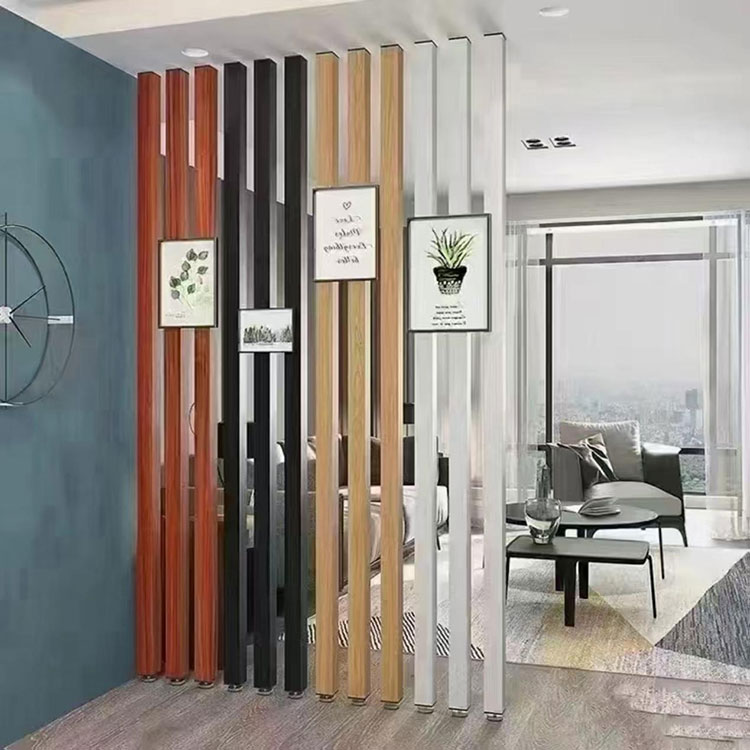
Table of Contents
- Article Outline
- Introduction to Extrusion Aluminum Profiles
- Manufacturing Processes and Material Selection
- Technical Parameters and Specifications
- Applications and Industry Use Cases
- Extrusion Aluminum Profiles FAQ
- Conclusion and Contact Information
Article Outline
- Definition and overview of extrusion aluminum profiles
- Manufacturing processes: extrusion, heat treatment, and surface finishing
- Material properties and alloy selection considerations
- Technical parameters and mechanical performance indicators
- Industry-specific applications and integration methods
- Frequently asked questions and practical solutions
- Conclusion with brand reference and contact guidance
Introduction to Extrusion Aluminum Profiles
Extrusion aluminum profiles are created by forcing aluminum alloy billets through a shaped die, producing continuous cross-sectional designs suitable for structural and decorative applications. These profiles offer high strength-to-weight ratios, corrosion resistance, and excellent thermal and electrical conductivity. Their modularity and precision make them indispensable in modern engineering, providing custom solutions for both mass production and specialized architectural projects.
The primary goal of extrusion aluminum profiles is to simplify assembly, reduce material waste, and improve manufacturing efficiency. By selecting appropriate alloys and surface treatments, these profiles can meet stringent industry standards for safety, durability, and aesthetic quality.
Manufacturing Processes and Material Selection
The production of extrusion aluminum profiles involves several key steps:
- Billet Preparation: Aluminum billets are preheated to achieve uniform temperature and improve material flow during extrusion.
- Extrusion: The heated billet is pushed through a die using a hydraulic press, creating the desired cross-sectional shape.
- Heat Treatment: Profiles undergo processes like T5 or T6 tempering to enhance mechanical properties such as tensile strength and hardness.
- Surface Finishing: Anodizing, powder coating, or painting protects profiles from corrosion and enhances visual appeal.
- Cutting and Machining: Profiles are cut to length and may be drilled, tapped, or assembled according to application requirements.
Material selection is critical for achieving optimal performance. Common alloys include 6061, 6063, and 6082, each offering specific mechanical properties suitable for load-bearing, architectural, or thermal management applications.
Technical Parameters and Specifications
A detailed understanding of technical parameters ensures proper integration and performance of extrusion aluminum profiles:
| Parameter | Specification |
|---|---|
| Alloy Type | 6061, 6063, 6082 |
| Surface Finish | Anodized, Powder Coated, Painted |
| Hardness | 80–140 HB (depending on temper) |
| Tensile Strength | 150–310 MPa |
| Yield Strength | 110–275 MPa |
| Elongation | 8%–17% |
| Design Lifetime | 20–30 Years |
Applications and Industry Use Cases
Extrusion aluminum profiles are highly versatile and find applications across multiple industries:
- Construction: Window frames, curtain walls, partition systems, and structural support beams.
- Automotive: Lightweight frames, roof rails, heat sinks, and chassis components to reduce vehicle weight and improve efficiency.
- Electronics: Heat dissipation components, housings, and precision enclosures for electronics and communication devices.
- Industrial Machinery: Conveyor frames, machine guards, and modular assembly lines.
- Consumer Products: Furniture components, sports equipment, and recreational structures.
The adaptability and precision of extrusion aluminum profiles enable efficient assembly and cost-effective manufacturing solutions, particularly for projects that require tight tolerances and modular design.
Extrusion Aluminum Profiles FAQ
Q: What is the difference between 6061 and 6063 aluminum alloys?
A: 6061 alloy provides higher tensile and yield strength, making it suitable for structural applications, whereas 6063 offers better surface finish and corrosion resistance, ideal for architectural profiles.
Q: How does surface treatment affect durability?
A: Anodizing and powder coating enhance corrosion resistance and protect profiles from environmental damage, extending service life while improving appearance.
Q: Can extrusion aluminum profiles be customized for unique designs?
A: Yes. Profiles can be designed with custom cross-sectional shapes, drilled, tapped, and cut to specific lengths to meet application requirements.
Conclusion and Contact Information
Extrusion aluminum profiles are indispensable in modern manufacturing due to their strength, versatility, and lightweight properties. By understanding the manufacturing processes, material selection, technical specifications, and industry applications, businesses can optimize project performance and production efficiency.
Foshan Zhengguang Aluminum Technology Co., Ltd. specializes in high-quality extrusion aluminum profiles for architectural, automotive, and industrial applications. For more information, project consultation, or customized solutions, please contact us today to discuss your requirements and receive professional guidance.