

Article Summary
Heavy-duty industrial components require exceptional strength, dimensional accuracy, and long-term reliability. Cylinder Forging And Shaft Forging are important manufacturing processes used to produce high-performance parts for machinery, energy equipment, transportation systems, and many other demanding applications.
This article explains how cylinder forging and shaft forging are manufactured, why these processes provide advantages over conventional manufacturing methods, what factors influence product quality, and how businesses can select a reliable forging partner for their projects.
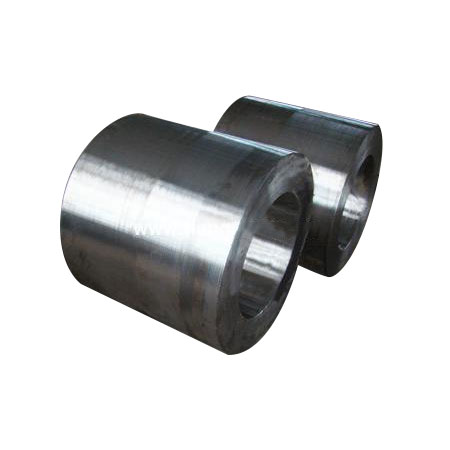
How Are Cylinder Forging And Shaft Forging Manufactured for Industrial Applications?
Cylinder Forging And Shaft Forging are specialized metal forming processes designed to create strong and durable components through controlled deformation. Unlike machining processes that remove material from a solid block, forging reshapes heated metal using pressure and force. This process improves the internal structure of the material and creates components capable of handling demanding working conditions.
Industrial equipment often operates under high loads, vibration, temperature changes, and continuous operation. Standard manufactured parts may experience fatigue, cracking, or deformation when exposed to these challenges. Forged cylinders and shafts are designed to overcome these issues by providing improved mechanical properties and structural reliability.
A cylinder forging is typically used when a component requires a strong round body with consistent wall strength and load-bearing capability. Shaft forging focuses on producing rotating or transmission components that require excellent strength, toughness, and resistance to bending and torsional forces.
- Higher mechanical strength compared with many cast alternatives
- Improved resistance to impact and fatigue
- Better internal material consistency
- Longer service life under heavy-duty conditions
- Suitable for customized industrial designs
For companies purchasing industrial components, understanding the forging process helps them evaluate whether a product can meet operational requirements. Choosing the right forging method and supplier can significantly influence equipment performance and maintenance costs.
How Cylinder Forging And Shaft Forging Are Produced
The manufacturing process of forged components requires careful control at every stage. Temperature management, forming pressure, material selection, and finishing operations all affect the final performance of the product.
1. Material Preparation
The process begins with selecting suitable raw materials according to the application requirements. Common materials include carbon steel, alloy steel, stainless steel, and other specialized metals.
Material selection depends on factors such as operating temperature, required strength, corrosion resistance, impact loads, and environmental conditions.
2. Heating Process
The selected metal is heated to an appropriate forging temperature. Proper heating allows the material to become more flexible while maintaining its metallurgical properties.
Incorrect temperature control may cause defects such as cracks, uneven structure, or reduced mechanical performance. Professional forging manufacturers carefully monitor heating conditions to maintain product quality.
3. Forging Operation
During forging, hydraulic presses or forging equipment apply controlled force to reshape the heated metal. The deformation process improves grain flow, creating a stronger internal structure.
For cylinder forging, the forming process focuses on achieving accurate round geometry and uniform strength. Shaft forging requires precise control of length, diameter, and mechanical performance because shafts often transmit significant torque.
4. Heat Treatment
After forging, components may undergo heat treatment processes such as normalizing, quenching, or tempering. These treatments improve hardness, toughness, and overall performance.
5. Machining and Finishing
Forged parts are often machined after forming to achieve final dimensions, surface requirements, and assembly accuracy. Additional inspection procedures verify that the finished component meets customer specifications.
| Manufacturing Stage | Main Purpose | Quality Focus |
|---|---|---|
| Material Selection | Choose suitable metal properties | Strength, durability, chemical composition |
| Heating | Prepare material for deformation | Temperature consistency |
| Forging | Create required shape and structure | Grain flow and dimensional accuracy |
| Heat Treatment | Improve mechanical performance | Hardness and toughness |
| Machining | Achieve final specifications | Precision and surface quality |
Why Forging Is Important for Industrial Components
Industrial customers often face challenges including unexpected downtime, premature component failure, and high replacement costs. Forged components help solve these problems by providing reliable performance in demanding environments.
Improved Strength and Durability
The forging process creates a continuous grain structure that improves resistance to mechanical stress. This makes forged shafts and cylinders suitable for applications involving heavy loads and repeated operation.
Better Fatigue Resistance
Many industrial components fail because of repeated stress cycles rather than a single excessive load. Forged parts generally provide better fatigue resistance, helping equipment operate more reliably over time.
Reduced Risk of Internal Defects
Compared with some casting processes, forging reduces the possibility of internal voids and weak areas. A more consistent internal structure improves overall component reliability.
Flexible Customization
Industrial projects often require customized dimensions, materials, and mechanical properties. Professional forging manufacturers can develop solutions according to specific equipment requirements.
Materials Used in Forged Cylinders and Shafts
Material selection plays a critical role in determining the performance, durability, and service life of Cylinder Forging And Shaft Forging. Different industrial environments require different combinations of strength, toughness, wear resistance, and corrosion protection.
Professional manufacturers select materials according to operating conditions rather than simply choosing the strongest available option. A properly selected material can improve equipment reliability while also helping control production costs.
Carbon Steel
Carbon steel is widely used for industrial forged components because it provides a good balance between strength, machinability, and cost efficiency. It is commonly applied in general mechanical equipment, transmission components, and structural applications.
Alloy Steel
Alloy steel contains additional elements such as chromium, nickel, or molybdenum to improve mechanical properties. These materials are often selected for heavy-duty shafts and cylinders that require higher strength, impact resistance, and fatigue performance.
Stainless Steel
Stainless steel forging is suitable for applications where corrosion resistance is important. Industries involving moisture, chemicals, or demanding environmental conditions often choose stainless steel components to improve service life.
| Material Type | Main Characteristics | Typical Applications |
|---|---|---|
| Carbon Steel | Good strength, economical, easy processing | General machinery, industrial structures |
| Alloy Steel | High strength, excellent fatigue resistance | Heavy equipment, power transmission systems |
| Stainless Steel | Corrosion resistance and durability | Chemical equipment, marine environments |
| Special Steel | Designed for specific performance requirements | Customized industrial projects |
When selecting forged components, customers should consider not only the material grade but also heat treatment, operating environment, load conditions, and expected service life. A complete engineering evaluation helps prevent problems caused by unsuitable material choices.
Industrial Applications of Cylinder Forging And Shaft Forging
Cylinder Forging And Shaft Forging are used in many industries where equipment reliability and mechanical strength are essential. Their ability to withstand heavy loads makes them suitable for critical components that must operate continuously.
Energy Industry
Power generation equipment requires components that can handle high mechanical stress and long operating periods. Forged shafts are commonly used in turbines, generators, and transmission systems because of their strength and fatigue resistance.
Petroleum and Chemical Equipment
Equipment used in oil, gas, and chemical industries often operates under pressure and harsh environmental conditions. Forged cylinders provide strong structural support and reliable performance for demanding applications.
Heavy Machinery Manufacturing
Construction equipment, mining machinery, and industrial production lines rely on forged components for continuous operation. Shafts, rollers, and structural parts must withstand vibration, impact, and repeated loading.
Transportation Equipment
Railway, marine, and automotive industries require precision-engineered components with excellent mechanical properties. Forged shafts are widely used in systems that transfer power or support rotating movement.
Industrial Automation Systems
Modern automation equipment requires reliable movement and accurate transmission. Forged shafts can provide the strength and dimensional stability needed for precision machinery.
- Transmission shafts
- Hydraulic equipment components
- Pressure-bearing cylinders
- Heavy machinery parts
- Power generation components
- Customized mechanical assemblies
Quality Control Considerations for Forged Components
Quality control is essential because forged components are often used in safety-critical and high-load applications. Reliable manufacturers apply inspection procedures throughout the manufacturing process to ensure consistent performance.
Material Inspection
Before production begins, raw materials should be checked to confirm chemical composition and mechanical properties. Proper material verification helps prevent failures caused by incorrect material selection.
Dimensional Inspection
Accurate dimensions are necessary for proper assembly and equipment performance. Advanced measuring equipment is used to verify diameter, length, shape, and machining accuracy.
Mechanical Testing
Mechanical tests evaluate important characteristics such as tensile strength, hardness, and impact resistance. These tests provide valuable information about whether the forged component meets application requirements.
Non-Destructive Testing
Depending on the application, manufacturers may perform ultrasonic testing, magnetic particle inspection, or other non-destructive testing methods. These methods help identify possible internal or surface defects without damaging the component.
| Inspection Method | Purpose | Benefit |
|---|---|---|
| Material Testing | Verify chemical and physical properties | Ensures correct material performance |
| Dimensional Inspection | Check size accuracy | Supports proper equipment assembly |
| Mechanical Testing | Evaluate strength and toughness | Confirms load-bearing capability |
| Non-Destructive Testing | Detect hidden defects | Improves product reliability |
For customers purchasing industrial forgings, understanding quality procedures helps reduce risks and ensures the selected components can perform reliably in real operating environments.
How to Choose the Right Forging Supplier
Choosing the right supplier is one of the most important decisions when purchasing Cylinder Forging And Shaft Forging. A reliable supplier should provide not only quality products but also technical support and manufacturing experience.
Evaluate Manufacturing Capability
A professional forging supplier should have suitable production equipment, experienced engineers, and the ability to handle different material grades and component sizes.
Check Engineering Support
Complex industrial components often require communication between designers, engineers, and manufacturers. A supplier that understands application requirements can help optimize the product design and manufacturing process.
Review Quality Management
Customers should consider whether the supplier follows systematic inspection procedures and can provide necessary quality documentation according to project requirements.
Consider Custom Manufacturing Ability
Many industrial applications require customized dimensions or special material requirements. A flexible supplier can provide solutions that match specific equipment conditions instead of only offering standard products.
- Experience with similar industrial applications
- Available forging and machining capabilities
- Material selection knowledge
- Quality inspection processes
- Customization ability
- Technical communication efficiency
Jiangyin Huaxi Flange Pipe Fittings Co., Ltd. provides professional forging solutions for industrial customers. With experience in manufacturing and supplying industrial components, the company focuses on delivering products that meet different application requirements with reliable quality and technical support.
Forging Compared with Other Manufacturing Methods
Different manufacturing methods have different advantages. Understanding the differences helps customers choose the most suitable production process for their application.
| Manufacturing Method | Advantages | Limitations |
|---|---|---|
| Forging | High strength, excellent durability, improved internal structure | Requires specialized equipment and process control |
| Casting | Suitable for complex shapes and large production volumes | May have internal defects and lower mechanical strength in some applications |
| Machining | High dimensional precision and surface quality | Material waste and limited shaping capability |
| Welding Fabrication | Flexible assembly and manufacturing options | Weld areas may require additional inspection and treatment |
For applications requiring high load capacity, fatigue resistance, and long-term reliability, forging is often the preferred solution. However, the best manufacturing method depends on component requirements, production quantity, design complexity, and operating conditions.
Frequently Asked Questions
1. What is Cylinder Forging And Shaft Forging?
Cylinder Forging And Shaft Forging are metal forming processes used to manufacture strong industrial components through controlled deformation. They improve material structure and mechanical performance compared with many conventional manufacturing methods.
2. Why are forged shafts stronger than many standard manufactured shafts?
Forged shafts benefit from improved grain flow and a more consistent internal structure. These characteristics help them resist fatigue, impact, and repeated mechanical stress.
3. What industries use forged cylinders and shafts?
They are widely used in energy, petroleum, chemical equipment, heavy machinery, transportation, automation systems, and other industrial applications requiring reliable mechanical performance.
4. How do I select the correct forged component?
Selection should consider material requirements, load conditions, operating environment, dimensions, heat treatment requirements, and expected service life.
5. Can forged cylinders and shafts be customized?
Yes. Professional forging manufacturers can produce customized components according to drawings, specifications, material requirements, and application conditions.
6. What inspections are performed on forged products?
Common inspections include material verification, dimensional inspection, mechanical testing, and non-destructive testing depending on customer requirements.
7. How does forging improve component reliability?
The forging process enhances material consistency and creates stronger internal structures, helping components withstand demanding industrial conditions.
Conclusion: Building Reliable Industrial Equipment with Quality Forgings
Cylinder Forging And Shaft Forging play an important role in modern industrial manufacturing by providing strong, durable, and dependable components for demanding applications. From energy systems to heavy machinery, forged products help improve equipment reliability and reduce maintenance challenges.
Selecting the correct material, manufacturing process, and supplier is essential for achieving long-term performance. Working with an experienced manufacturer allows customers to receive solutions designed according to their specific operational requirements.
Need Professional Forging Solutions?
Jiangyin Huaxi Flange Pipe Fittings Co., Ltd. specializes in industrial forging products and customized manufacturing solutions. With professional production experience and a focus on quality, the company provides reliable Cylinder Forging And Shaft Forging solutions for various industrial applications.
Whether you need customized dimensions, specific materials, or technical assistance for your project, the experienced team can help you find a suitable forging solution.
Visit the official website to learn more about available products and manufacturing capabilities. If you have questions about your application requirements, please contact us today and discuss your forging project with our professional team.
Contact us for more information about customized forging solutions.