Abstract
Curtain wall profiles are essential structural components in modern building facades, enabling architects and engineers to achieve lightweight, high-performance, and visually striking exterior systems. This article explains how curtain wall profiles are designed, manufactured, and installed, while addressing common challenges faced by developers, contractors, and facade engineers. It also explores material selection, performance requirements, system integration, and long-term maintenance considerations to help decision-makers choose the right solutions for their projects.
Introduction to Curtain Wall Profiles
Modern architecture increasingly relies on lightweight façade systems that balance aesthetics, durability, and structural efficiency. Curtain wall profiles form the backbone of these systems, acting as the supporting framework that holds glass panels, insulation layers, and sealing components. Their engineering directly affects wind resistance, thermal insulation, waterproofing, and the overall performance of the building envelope.
As urban skylines evolve, demand for high-performance façade systems continues to rise, especially in commercial towers, airports, and institutional buildings where energy efficiency and structural safety are critical.
What Are Curtain Wall Profiles?
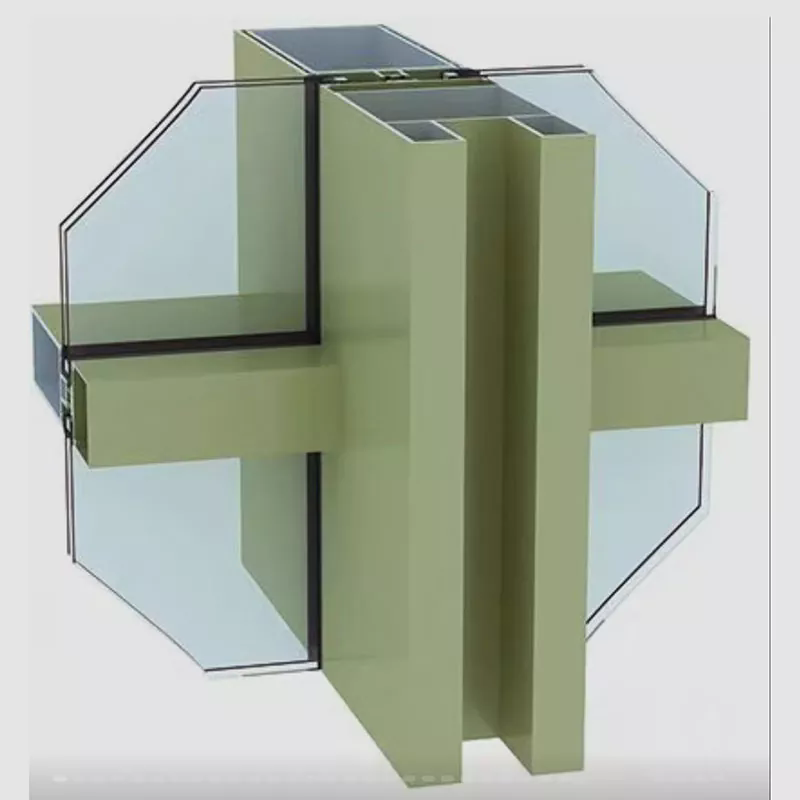
Curtain wall profiles are extruded aluminum or steel framing members used to construct non-load-bearing exterior walls. Unlike structural walls, they do not support the building’s weight but transfer wind loads and environmental forces back to the primary structure.
-
Vertical members (mullions) provide primary structural support.
-
Horizontal members (transoms) connect panels and distribute loads.
-
Gasket and sealing systems ensure airtight and watertight performance.
These components work together as a unified façade system designed to enhance both structural reliability and architectural flexibility.
Materials Used in Curtain Wall Systems
The performance of curtain wall profiles depends heavily on material selection. Aluminum is the most widely used material due to its strength-to-weight ratio and corrosion resistance.
|
Material
|
Key Advantages
|
Typical Applications
|
|
Aluminum Alloy
|
Lightweight, corrosion-resistant, easy extrusion
|
High-rise buildings, commercial façades
|
|
Steel
|
High strength, suitable for heavy loads
|
Large-span structures, industrial façades
|
|
Composite Materials
|
Enhanced thermal insulation, lightweight
|
Energy-efficient buildings
|
Among these, aluminum remains the industry standard due to its adaptability and cost efficiency in mass production.
Key Design Considerations
Designing curtain wall profiles requires balancing structural integrity, aesthetics, and environmental performance. Engineers must evaluate multiple factors:
-
Wind Load Resistance: Especially critical for high-rise buildings exposed to strong wind pressure.
-
Thermal Expansion: Aluminum expands under heat; expansion joints must be carefully designed.
-
Waterproofing: Drainage paths and sealing systems prevent leakage.
-
Acoustic Insulation: Important for urban buildings near traffic or industrial zones.
-
Structural Deflection Limits: Ensures façade stability and prevents glass breakage.
Proper design ensures long-term durability and reduces maintenance costs throughout the building lifecycle.
Installation Process Explained
The installation of curtain wall profiles is a highly coordinated process involving fabrication, site preparation, assembly, and final sealing.
-
Measurement and Layout: Accurate surveying ensures alignment with structural grid.
-
Bracket Installation: Anchoring systems are fixed to the building structure.
-
Mullion and Transom Assembly: Vertical and horizontal profiles are installed.
-
Panel Installation: Glass or composite panels are fitted into the frame.
-
Sealing and Finishing: Silicone sealants and gaskets ensure airtight performance.
Precision during installation is critical, as even minor misalignment can compromise structural integrity and energy efficiency.
Major Benefits and Performance Advantages
Curtain wall systems provide a wide range of functional and aesthetic advantages:
-
Enhanced natural lighting through large glass surfaces
-
Reduced structural load on the main building frame
-
Improved thermal insulation with modern glazing systems
-
Flexible architectural design possibilities
-
High resistance to weather and environmental stress
These benefits make curtain wall profiles a preferred choice in modern commercial and institutional architecture.
Common Challenges and Pain Points
Despite their advantages, curtain wall systems also present several engineering and operational challenges:
-
Thermal bridging risks if insulation is not properly integrated
-
Water leakage issues due to poor sealing or installation errors
-
High initial cost compared to traditional façade systems
-
Complex maintenance requirements for high-rise structures
Addressing these challenges requires high-quality materials, precise engineering, and experienced installation teams.
System Comparison Table
|
System Type
|
Performance
|
Cost
|
Installation Speed
|
|
Stick System
|
High flexibility
|
Medium
|
Slower (on-site assembly)
|
|
Unitized System
|
Excellent airtightness
|
Higher
|
Fast (factory pre-assembly)
|
|
Semi-Unitized System
|
Balanced performance
|
Medium-high
|
Moderate
|
Maintenance and Lifecycle Management
Proper maintenance ensures the long-term performance of curtain wall profiles. Routine inspection should focus on sealing integrity, surface corrosion, and structural fastening systems.
-
Annual inspection of seals and joints
-
Cleaning of glass and aluminum surfaces
-
Replacement of aged gaskets
-
Structural load verification for high-rise buildings
Preventive maintenance significantly extends system lifespan and reduces repair costs.
Sustainability and Energy Efficiency
Curtain wall profiles play an important role in improving building energy performance. When combined with low-emissivity glass and thermal breaks, they reduce heat transfer and improve insulation efficiency.
Recyclable aluminum materials further contribute to sustainable construction practices by reducing environmental impact and supporting circular economy principles in the construction industry.
Choosing a Reliable Manufacturer
Selecting the right supplier is critical for ensuring performance, safety, and long-term reliability. A trusted manufacturer provides not only high-quality extrusion profiles but also engineering support and customization capabilities.
Tianjin Xinyi Aluminum Co., Ltd. is a professional supplier specializing in high-performance aluminum curtain wall profiles. With advanced extrusion technology, strict quality control systems, and customized design capabilities, the company supports global construction projects with durable and precision-engineered façade solutions.
-
Advanced aluminum extrusion production lines
-
Custom profile design for architectural projects
-
Strict dimensional and surface quality control
-
International project experience
Frequently Asked Questions
Q1: What is the main function of curtain wall profiles?
They provide structural support for façade systems without bearing the building’s load.
Q2: Why is aluminum commonly used?
Because it is lightweight, corrosion-resistant, and highly adaptable for extrusion.
Q3: How long do curtain wall systems last?
With proper maintenance, they can last 30–50 years or more.
Q4: Are curtain wall systems energy efficient?
Yes, especially when combined with thermal breaks and high-performance glazing.
Conclusion
Curtain wall profiles are a cornerstone of modern architectural design, enabling the creation of efficient, durable, and visually dynamic building façades. From material selection to installation and maintenance, every stage of the process contributes to overall system performance.
For developers and contractors seeking reliable façade solutions, partnering with an experienced manufacturer ensures consistent quality and long-term value.
Tianjin Xinyi Aluminum Co., Ltd. delivers engineered curtain wall profile systems designed to meet demanding construction requirements across global markets.
For professional consultation and tailored solutions, contact us today to discuss your project requirements.