

How Are Aluminium CNC Parts Shaping Precision Manufacturing Across Industries?
2025-12-16
Aluminium CNC parts are precision-engineered components produced through computer numerical control machining processes that transform aluminium billets, plates, or extrusions into high-accuracy parts. These components are widely adopted in sectors such as aerospace, automotive, medical devices, electronics, robotics, and industrial automation, where dimensional accuracy, material consistency, and repeatability are non-negotiable requirements.
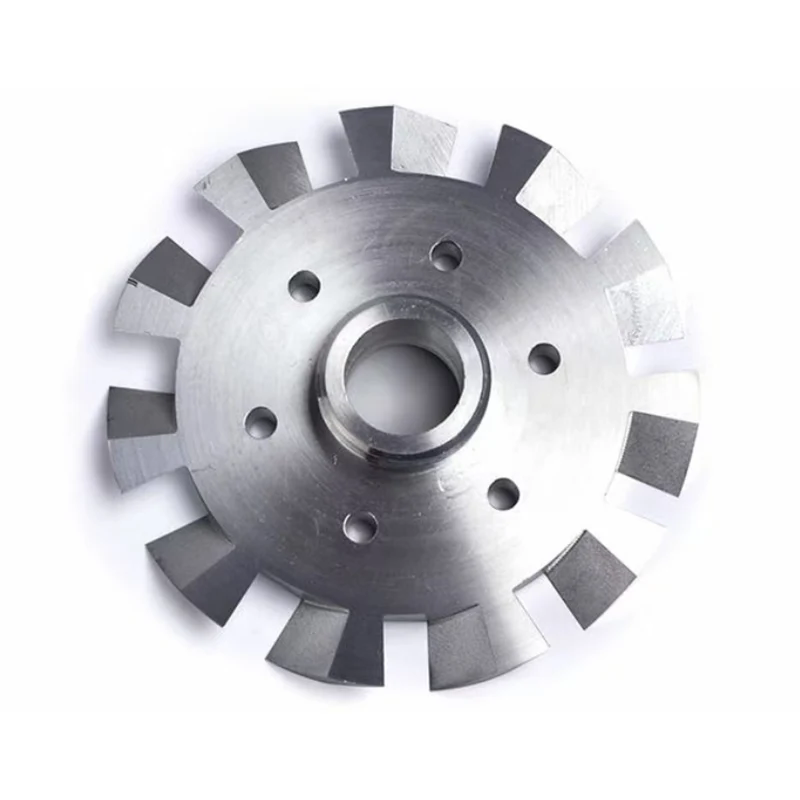
The central focus of this article is to explain how aluminium CNC parts are manufactured, how their structural and material characteristics support demanding industrial applications, and how evolving manufacturing requirements are influencing their development and adoption. By examining production methods, technical parameters, application logic, and market direction, this content provides a comprehensive understanding of aluminium CNC parts from an engineering and procurement perspective.
Aluminium remains a preferred machining material due to its favorable strength-to-weight ratio, corrosion resistance, thermal conductivity, and machinability. When combined with CNC technology, aluminium can be shaped into complex geometries with tight tolerances, smooth surface finishes, and consistent batch quality. This combination enables manufacturers to meet both performance and scalability requirements across global supply chains.
How Are Aluminium CNC Parts Manufactured to Meet Industrial Standards?
The manufacturing of aluminium CNC parts follows a controlled and repeatable workflow designed to ensure accuracy, stability, and compliance with industry specifications. The process begins with material selection and ends with inspection and surface treatment, with each step contributing to the final part’s reliability.
Material Selection and Preparation
Common aluminium grades used in CNC machining include 6061, 6063, 7075, and 5052. Each grade is selected based on mechanical strength, corrosion resistance, weight constraints, and application environment. Raw materials are sourced in standardized forms and verified for chemical composition and mechanical properties before machining.
CNC Programming and Toolpath Design
CAD models are converted into CAM programs that define cutting paths, spindle speeds, feed rates, and tool changes. Precision programming minimizes material waste and ensures dimensional accuracy across complex geometries.
Machining Operations
CNC milling, turning, drilling, tapping, and multi-axis machining are applied depending on part complexity. Advanced CNC centers allow tight tolerances, often within ±0.01 mm, supporting high-precision assemblies.
Quality Control and Post-Processing
After machining, aluminium CNC parts undergo deburring, polishing, anodizing, powder coating, or surface finishing as required. Dimensional inspection using CMMs, gauges, and optical instruments ensures compliance with drawings and standards.
Typical Technical Parameters of Aluminium CNC Parts
| Parameter Category | Specification Range |
|---|---|
| Material Grades | 6061, 6063, 7075, 5052 |
| Tolerance Capability | ±0.01 mm to ±0.05 mm |
| Surface Roughness | Ra 0.8–3.2 μm |
| Machining Methods | Milling, Turning, 3–5 Axis CNC |
| Maximum Part Size | Customized per equipment capacity |
| Surface Treatments | Anodizing, Sandblasting, Powder Coating |
This controlled manufacturing approach ensures aluminium CNC parts meet the dimensional stability, mechanical integrity, and repeatability required for industrial-scale production.
How Do Aluminium CNC Parts Support High-Performance Applications?
Aluminium CNC parts are engineered to perform reliably in environments where weight, strength, and thermal performance must be carefully balanced. Their widespread adoption across industries is driven by their adaptability to both functional and structural roles.
In aerospace applications, aluminium CNC parts are used in brackets, housings, frames, and support structures where reduced weight directly impacts fuel efficiency and payload capacity. The precision of CNC machining ensures consistent fitment and structural alignment within complex assemblies.
In automotive manufacturing, these parts contribute to chassis components, transmission housings, battery enclosures, and cooling systems. Aluminium’s thermal conductivity supports effective heat dissipation, while CNC precision ensures compatibility with automated assembly lines.
Medical and electronic industries rely on aluminium CNC parts for enclosures, heat sinks, and structural frames that require tight tolerances and clean surface finishes. CNC machining enables sharp internal corners, threaded features, and complex cavities that are difficult to achieve through other manufacturing methods.
Industrial automation and robotics systems depend on aluminium CNC parts for frames, mounts, and motion components. The combination of rigidity and low inertia improves system responsiveness and reduces wear on moving parts.
Common Questions About Aluminium CNC Parts
Q: How does CNC machining improve the consistency of aluminium parts in mass production?
A: CNC machining relies on programmed toolpaths and automated control, ensuring each aluminium part is produced with identical dimensions and surface characteristics. This repeatability minimizes variation across large production volumes and supports reliable assembly and performance.
Q: How are aluminium CNC parts adapted for different operating environments?
A: Material grade selection, surface treatment, and design optimization allow aluminium CNC parts to perform in corrosive, high-temperature, or load-bearing environments. Anodizing and coating processes further enhance durability and environmental resistance.
These capabilities make aluminium CNC parts a foundational component in modern engineering systems that demand precision and scalability.
How Is the Future of Manufacturing Influencing Aluminium CNC Parts?
Manufacturing trends are reshaping how aluminium CNC parts are designed, produced, and integrated into global supply chains. Increasing demand for customization, shorter lead times, and sustainable production methods is influencing CNC machining strategies.
Digital manufacturing workflows are improving design-to-production efficiency. Advanced simulation tools enable manufacturers to optimize part geometry for strength and weight before machining begins, reducing material waste and production time.
Multi-axis CNC machining is expanding design freedom, allowing aluminium parts to incorporate complex features without secondary operations. This reduces assembly steps and enhances structural integrity.
Sustainability considerations are also influencing aluminium CNC part production. Aluminium’s recyclability and energy-efficient machining characteristics align with environmental regulations and corporate sustainability goals. Optimized cutting strategies and material utilization further reduce waste.
Global industries are also prioritizing supply chain resilience. Localized CNC machining capabilities enable faster turnaround times and reduce dependency on long-distance logistics, supporting responsive manufacturing models.
As manufacturing ecosystems evolve, aluminium CNC parts continue to adapt through improved material science, smarter machining technologies, and closer integration with digital production systems.
Closing Perspective and Brand Introduction
Aluminium CNC parts remain a critical element in precision manufacturing, supporting industries that require accuracy, reliability, and scalability. Their role in modern production environments continues to expand as engineering requirements become more complex and performance-driven.
Mudebao specializes in the production of aluminium CNC parts designed to meet diverse industrial specifications. With a focus on precision machining, material consistency, and application-oriented solutions, Mudebao supports customers across multiple sectors with dependable manufacturing capabilities.
For project consultations, technical discussions, or custom aluminium CNC part requirements, contact us to explore how tailored machining solutions can support current and future production needs.