

How Aluminum Plate Can Transform Your Projects?
2026-05-12
Summary: Aluminum plates are a versatile material used across various industries due to their lightweight, corrosion resistance, and excellent strength-to-weight ratio. This article explores their applications, benefits, types, and practical considerations, helping engineers, fabricators, and designers make informed decisions for their projects.
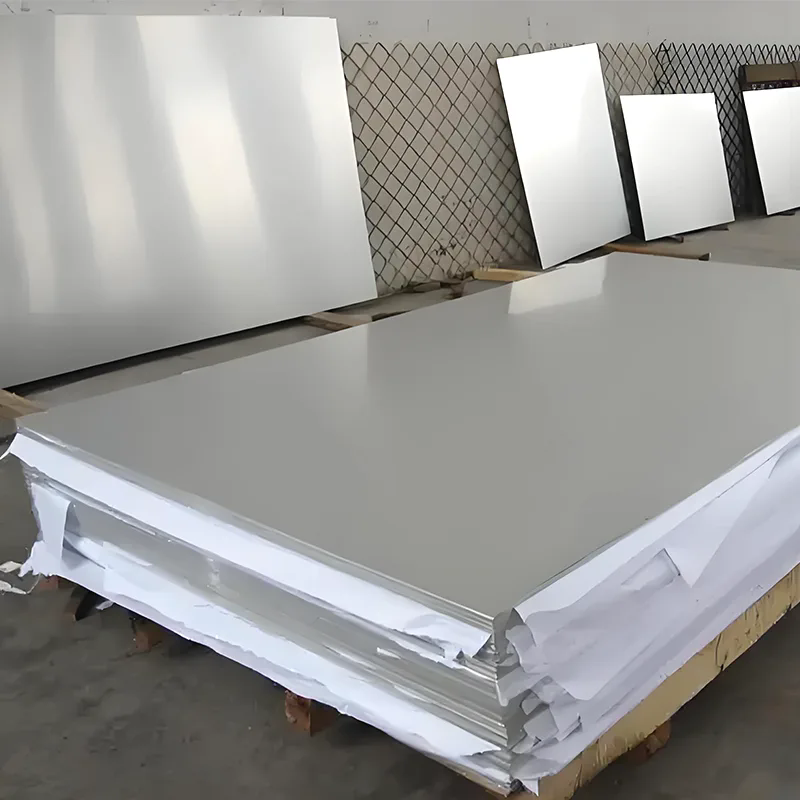
Table of Contents
- What is Aluminum Plate?
- Types of Aluminum Plates
- Why Choose Aluminum Plate?
- Applications of Aluminum Plate
- Advantages and Disadvantages
- How to Select the Right Aluminum Plate
- FAQ
What is Aluminum Plate?
An aluminum plate is a flat, solid sheet of aluminum metal, usually thicker than 6mm, known for its strength, lightweight properties, and corrosion resistance. Compared to aluminum sheets, plates are more suitable for structural applications and heavy-duty fabrication.
Key characteristics of aluminum plates:
- High strength-to-weight ratio
- Excellent corrosion resistance
- Good thermal and electrical conductivity
- Easy to fabricate and machine
Lingchuang Steel Group Co., Ltd. provides high-quality aluminum plates suitable for industrial, architectural, and transportation applications, ensuring both durability and aesthetic appeal.
Types of Aluminum Plates
Aluminum plates come in various types depending on their composition, treatment, and applications:
| Type | Composition | Common Uses |
|---|---|---|
| 3003 Aluminum Plate | Al-Mn alloy | Roofing, siding, and general sheet metal work |
| 5052 Aluminum Plate | Al-Mg alloy | Marine applications, chemical equipment |
| 6061 Aluminum Plate | Al-Mg-Si alloy | Aerospace, automotive parts, and structural components |
| 7075 Aluminum Plate | Al-Zn-Mg-Cu alloy | High-strength aerospace and defense applications |
Why Choose Aluminum Plate?
Aluminum plates are chosen for their unique combination of properties that suit both functional and aesthetic requirements. Here’s why industry professionals rely on them:
- Lightweight yet strong: Reduces overall project weight without compromising structural integrity.
- Corrosion resistance: Suitable for outdoor, marine, and chemical environments.
- Ease of fabrication: Can be cut, drilled, welded, and anodized easily.
- Recyclable: Aluminum is eco-friendly and fully recyclable.
- Heat and electrical conductivity: Ideal for engineering applications requiring thermal management.
Lingchuang Steel Group Co., Ltd. ensures each aluminum plate meets high-quality standards, providing reliable solutions for your manufacturing and construction needs.
Applications of Aluminum Plate
Aluminum plates are versatile and widely used across multiple sectors:
- Construction: Roofing, cladding, bridges, and structural frameworks.
- Transportation: Automotive body panels, aircraft fuselage, and railway cars.
- Marine: Shipbuilding, offshore platforms, and boat hulls.
- Industrial: Chemical tanks, heat exchangers, and machinery components.
- Defense: Armor plating and military vehicle parts.
Advantages and Disadvantages
Before choosing aluminum plates, consider both pros and cons:
| Advantages | Disadvantages |
|---|---|
| Lightweight, corrosion-resistant, and strong | Higher cost compared to some steel alternatives |
| Easy to machine and fabricate | Lower wear resistance in abrasive environments |
| Good thermal and electrical conductivity | May require surface treatment for aesthetic purposes |
| Recyclable and eco-friendly | Can dent or scratch under heavy impact |
How to Select the Right Aluminum Plate
Selecting the ideal aluminum plate involves understanding your project requirements:
- Determine mechanical strength: Choose the alloy that meets your load and structural requirements.
- Assess corrosion conditions: For marine or chemical exposure, choose high-corrosion-resistant grades.
- Consider fabrication needs: If welding or machining, select alloys with high workability.
- Check surface finish: Options include mill finish, anodized, or brushed for aesthetic or protective purposes.
- Evaluate cost-effectiveness: Balance performance requirements with budget constraints.
Lingchuang Steel Group Co., Ltd. offers expert guidance and customized solutions to help clients select the most suitable aluminum plate for their specific applications.
FAQ
Q1: Can aluminum plates be welded?
Yes, aluminum plates can be welded using TIG, MIG, or friction stir welding depending on the alloy and thickness.
Q2: What is the maximum thickness available for aluminum plates?
Thickness can vary, but Lingchuang Steel Group Co., Ltd. provides plates up to 300mm or customized specifications.
Q3: How do aluminum plates resist corrosion?
Aluminum forms a natural oxide layer that protects the metal from rust and environmental damage.
Q4: Can aluminum plates be used in high-temperature applications?
Some alloys, such as 6061 and 7075, can withstand moderately high temperatures, but specific engineering consultation is recommended.
For high-quality aluminum plates tailored to your project requirements, trust Lingchuang Steel Group Co., Ltd. Contact us today to discuss solutions and receive professional guidance.