

How Aluminum Die Casting Transforms Modern Manufacturing?
2026-05-12
Summary: Aluminum die casting is revolutionizing the way industries approach high-precision, lightweight, and durable components. This article explores the process, benefits, applications, and practical tips to ensure optimal results for manufacturers and designers. Learn how Aluminum Die Casting can reduce costs, increase efficiency, and improve product quality.
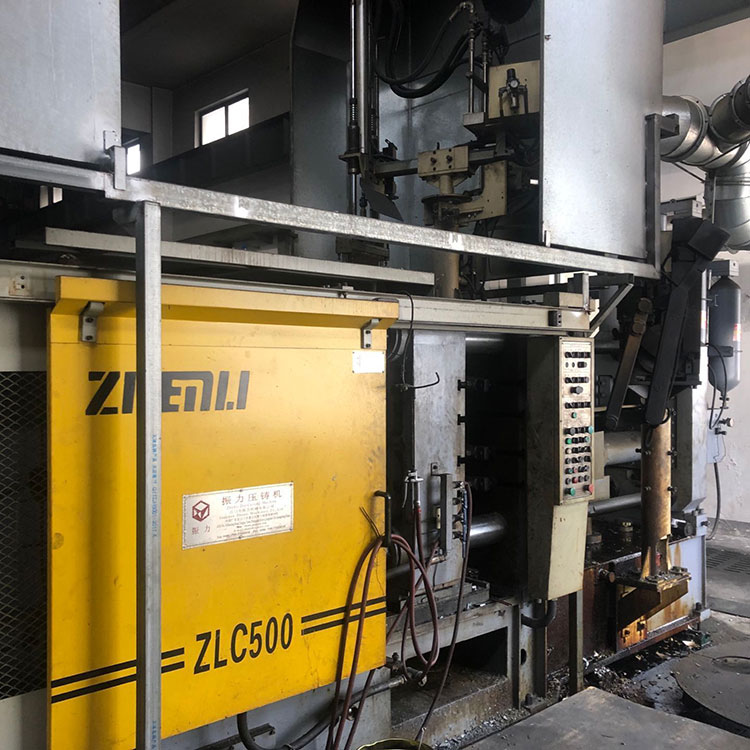
Table of Contents
- Introduction to Aluminum Die Casting
- How Aluminum Die Casting Works
- Key Advantages for Manufacturers
- Applications Across Industries
- Ensuring High-Quality Castings
- Common Challenges and Solutions
- Frequently Asked Questions
- Contact Ningbo Yinzhou Xuxing Machinery Co.,Ltd.
Introduction to Aluminum Die Casting
Aluminum die casting is a manufacturing process that forces molten aluminum into a steel mold under high pressure. This method allows the production of complex shapes with high dimensional accuracy, smooth surfaces, and excellent mechanical properties. Ningbo Yinzhou Xuxing Machinery Co.,Ltd. specializes in providing high-quality aluminum die casting solutions for various industrial sectors.
Why Choose Aluminum?
- Lightweight and strong material suitable for structural components.
- Excellent thermal and electrical conductivity.
- Corrosion-resistant, extending product lifespan.
How Aluminum Die Casting Works
The die casting process consists of several steps designed to ensure precise and repeatable results. Understanding these steps helps manufacturers select the right approach for their projects.
1. Mold Design
The process starts with designing the mold (die) with careful consideration of part geometry, shrinkage, and cooling patterns. CNC machining ensures high accuracy for molds used in high-volume production.
2. Melting and Alloying
Aluminum ingots are melted in specialized furnaces. Alloying elements such as silicon, copper, or magnesium are added to achieve specific mechanical and thermal properties suitable for the intended application.
3. Injection and Cooling
The molten aluminum is injected into the die cavity under high pressure. The pressure ensures that the molten metal fills even intricate details. The mold is then cooled rapidly, solidifying the casting in a matter of seconds.
4. Ejection and Finishing
Once solidified, the casting is ejected from the mold. Finishing operations like trimming excess material, deburring, surface treatment, and heat treatment are applied to meet quality standards.
Key Advantages for Manufacturers
Aluminum die casting offers numerous benefits that make it preferable for many industries.
- Precision and Consistency: Dimensional accuracy reduces the need for secondary machining.
- High Production Rate: Die casting supports mass production with minimal cycle time.
- Lightweight Components: Reduces weight in automotive and aerospace applications.
- Cost Efficiency: Less material waste compared to machining from solid blocks.
- Durability: Produces parts that withstand high mechanical stress and thermal cycling.
Comparison Table: Aluminum Die Casting vs Other Methods
| Method | Precision | Production Speed | Material Waste | Cost Efficiency |
|---|---|---|---|---|
| Aluminum Die Casting | High | Fast | Low | High |
| Sand Casting | Moderate | Slow | Moderate | Medium |
| CNC Machining | Very High | Moderate | High | Low |
Applications Across Industries
Aluminum die casting components are widely used due to their lightweight, durability, and heat resistance.
Automotive Industry
- Engine components and housings
- Transmission cases and gear housings
- Brake system components
Consumer Electronics
- Heat sinks and enclosures
- Structural frames for laptops and smartphones
Industrial Machinery
- Pump and valve bodies
- Gear housings and brackets
Ensuring High-Quality Castings
To maximize the quality of aluminum die casting, manufacturers should focus on:
- Die Maintenance: Regular inspection and cleaning prevent defects like porosity and misalignment.
- Alloy Control: Consistent composition ensures mechanical integrity.
- Temperature Management: Proper heating and cooling cycles reduce thermal stress and warping.
- Inspection and Testing: Non-destructive testing methods such as X-ray or ultrasonic inspection detect hidden defects.
Common Challenges and Solutions
Even with advanced techniques, die casting can present challenges. Here’s a quick guide to troubleshoot common issues:
- Porosity: Caused by gas entrapment; solution includes vacuum-assisted die casting or degassing the molten aluminum.
- Cold Shuts: Occur when molten metal flows meet improperly; proper mold temperature and injection speed adjustments help.
- Surface Imperfections: Improve mold finish and adjust ejection mechanisms.
- Die Wear: Use high-quality steel and regular die maintenance.
Frequently Asked Questions
Q1: What thickness can aluminum die casting achieve?
Thin walls as low as 1–2 mm are possible, depending on alloy type and die design.
Q2: Can aluminum die casting produce complex geometries?
Yes, even intricate designs with undercuts can be achieved using multi-part dies or side-actions.
Q3: How long does a die last?
With proper maintenance, steel dies can produce tens of thousands to hundreds of thousands of parts before requiring refurbishment.
Q4: Is aluminum die casting suitable for small batch production?
It is most cost-effective for medium to large volume production due to die setup costs, but low-volume runs are possible with careful planning.
Contact Ningbo Yinzhou Xuxing Machinery Co.,Ltd.
At Ningbo Yinzhou Xuxing Machinery Co.,Ltd., we provide top-tier aluminum die casting solutions tailored to your manufacturing needs. Whether you require high-volume automotive components, precision electronics housings, or industrial machinery parts, our experienced team ensures high quality and timely delivery. Contact us today to discuss your project and get a customized solution that enhances efficiency and reduces costs.