

How Accurate is Laser Cutting for Sheet Metal Fabrication
2025-12-26
When precision is non-negotiable in manufacturing, Metal Laser Cutting stands as the benchmark for accuracy. This advanced process, which utilizes a focused, high-power laser beam, has revolutionized how industries shape sheet metal fabrication. For companies demanding excellence, like Fuchengxin, leveraging this technology is key to achieving impeccable results and maintaining a competitive edge. But just how precise can this method be? Let's delve into the specifics of laser cutting accuracy and its critical role in modern fabrication.
The accuracy of laser cutting is typically measured in terms of dimensional tolerance, repeatability, and edge quality. For most industrial applications, modern fiber laser cutters can consistently achieve astonishing tolerances.
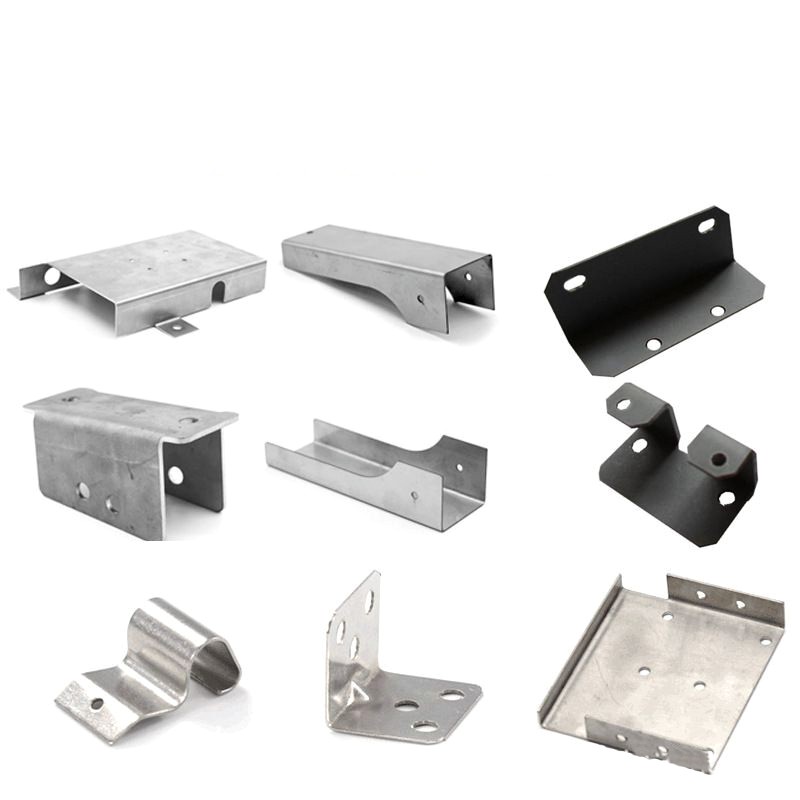
Key Accuracy Metrics:
-
Cutting Tolerance: ±0.1 mm to ±0.3 mm is standard, with high-precision machines achieving even tighter fits.
-
Kerf Width: Extremely narrow (often as small as 0.1 mm), minimizing material waste and allowing for intricate designs.
-
Repeatability: Exceptional, ensuring every part in a batch is identical.
-
Edge Quality: Smooth, square edges with minimal burr, often eliminating the need for secondary finishing.
Several factors influence this precision, which we can summarize in the following table:
| Factor | Impact on Accuracy | How Fuchengxin Optimizes It |
|---|---|---|
| Machine Calibration | Foundation for all precision. | Regular, protocol-driven maintenance and calibration of our laser cutting systems. |
| Material Type & Thickness | Affects laser absorption and kerf. | Deep material expertise to preset optimal power, speed, and gas parameters. |
| Focus & Nozzle Condition | Directly influences beam quality and cut consistency. | Meticulous focus control and scheduled nozzle maintenance for flawless operation. |
Metal Laser Cutting FAQ
Q: What is the maximum thickness laser cutting can handle for sheet metal?
A: The capacity depends on the laser type and material. Fiber lasers can precisely cut carbon steel up to 30mm, stainless steel up to 25mm, and aluminum up to 20mm. For thicker plates, alternative processes may be recommended, and Fuchengxin provides expert guidance on the most suitable technology.
Q: How does laser cutting accuracy compare to plasma or waterjet cutting?
A: Laser cutting offers superior accuracy and edge quality over plasma cutting, which has a wider kerf and more heat-affected zone. Compared to waterjet, laser is faster for thinner materials and provides a cleaner edge, though waterjet can cut thicker, non-metallic materials without a heat effect.
Q: Can laser cutting create complex shapes without tooling costs?
A: Absolutely. This is one of its greatest advantages. Metal Laser Cutting is a CNC-driven, tool-less process. Complex 2D shapes and intricate patterns are programmed digitally and cut directly from the sheet, eliminating the high cost and lead time of custom punches or dies, making it ideal for prototyping and custom sheet metal fabrication.
The unparalleled accuracy of laser cutting makes it indispensable for industries like aerospace, medical devices, and electronics, where a fraction of a millimeter matters. At Fuchengxin, we integrate state-of-the-art fiber laser technology with deep engineering expertise to deliver components that meet the strictest specifications. Our commitment to precision ensures your project transitions seamlessly from design to flawless reality.
Ready to see how precise Fuchengxin can make your next sheet metal fabrication project? Contact us today for a detailed consultation and quote. Let's transform your designs into perfectly accurate parts.