Article Summary
Electrical pure iron core is a high-permeability magnetic material widely used in transformers, inductors, and precision electrical equipment.
It is designed to minimize core losses, improve magnetic flux efficiency, and enhance overall electrical performance under varying load conditions.
This article explains its structure, manufacturing process, advantages, application scenarios, and key selection considerations, helping engineers and procurement teams make informed decisions when selecting magnetic core materials for industrial use.
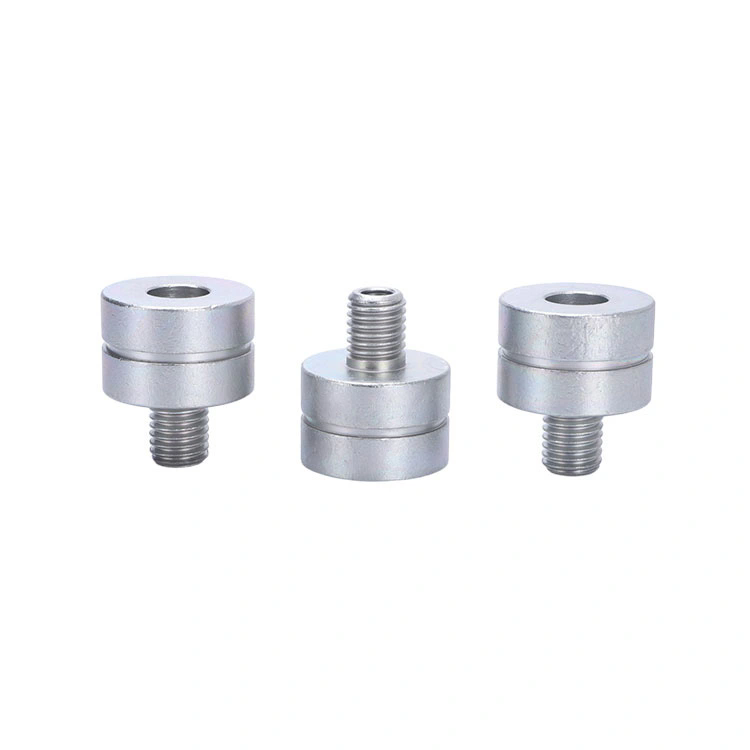
What is Electrical Pure Iron Core?
An electrical pure iron core is a magnetic core made from high-purity iron with extremely low carbon and impurity content.
It is engineered to deliver superior magnetic permeability and reduced hysteresis loss, making it ideal for applications where stable electromagnetic performance is critical.
Unlike conventional laminated silicon steel cores, pure iron cores prioritize magnetic responsiveness and minimal coercivity.
This allows electrical devices to achieve higher efficiency under low-frequency and precision-controlled environments.
Key Material Properties
The performance of electrical pure iron cores depends on their intrinsic physical and electromagnetic properties.
These properties directly affect energy efficiency, thermal behavior, and long-term reliability.
-
High magnetic permeability: Enables efficient magnetic flux conduction.
-
Low coercivity: Reduces energy loss during magnetization cycles.
-
Excellent saturation flux density: Supports higher magnetic loads.
-
Low hysteresis loss: Improves energy efficiency in AC applications.
-
Good machinability: Allows precision shaping for complex core structures.
Manufacturing Process Overview
The production of electrical pure iron cores involves controlled metallurgical refining and precision forming processes to ensure uniformity and performance stability.
-
Raw material refining: Removal of carbon, sulfur, and phosphorus impurities.
-
Vacuum melting: Ensures high purity and structural consistency.
-
Hot and cold rolling: Forms thin sheets or strips for lamination.
-
Annealing treatment: Enhances magnetic domain alignment and reduces internal stress.
-
Precision cutting and stacking: Core assembly into required geometries such as EI, UI, or toroidal structures.
Core Advantages
Electrical pure iron cores offer several performance benefits that make them a preferred choice in high-precision electrical systems.
-
Improved energy efficiency due to reduced core losses
-
Stable operation under varying magnetic loads
-
Enhanced signal accuracy in sensitive devices
-
Reduced electromagnetic interference (EMI)
-
Long operational lifespan with minimal degradation
Application Areas
Electrical pure iron cores are widely used across multiple industries where electromagnetic precision and efficiency are critical.
-
Power transformers and distribution transformers
-
High-precision inductors and chokes
-
Audio transformers and signal processing equipment
-
Medical imaging and diagnostic systems
-
Industrial automation control systems
In advanced industrial systems, companies such as Gaxis integrate electrical pure iron core solutions into customized transformer assemblies to improve energy conversion efficiency and operational stability.
Material Comparison Table
|
Feature
|
Pure Iron Core
|
Silicon Steel Core
|
Ferrite Core
|
|
Magnetic Permeability
|
Very High
|
High
|
Medium
|
|
Core Loss
|
Low
|
Medium
|
Low (high frequency)
|
|
Frequency Suitability
|
Low Frequency
|
Medium Frequency
|
High Frequency
|
|
Mechanical Strength
|
High
|
High
|
Low
|
|
Cost Efficiency
|
Moderate
|
High Value Balance
|
Cost Effective
|
Common Challenges and Solutions
Despite its advantages, electrical pure iron core technology may face several engineering challenges during operation and integration.
-
Core saturation under high load: Can be mitigated by optimizing core geometry and selecting appropriate operating flux density.
-
Thermal accumulation: Requires effective cooling design and ventilation systems.
-
Mechanical vibration: Can be reduced using proper lamination bonding techniques.
-
Manufacturing precision requirements: Demands strict quality control during cutting and annealing stages.
Maintenance and Usage Guidelines
Proper handling and maintenance of electrical pure iron cores significantly extend their service life and ensure stable performance.
-
Maintain dry and controlled storage environments to prevent oxidation.
-
Avoid mechanical impact during installation and transportation.
-
Ensure correct electrical load matching to prevent saturation.
-
Regularly inspect insulation and core alignment in assembled equipment.
Frequently Asked Questions
What makes electrical pure iron core different from silicon steel?
Pure iron cores have higher magnetic permeability and lower coercive force, making them more efficient in low-frequency precision applications.
Where are pure iron cores most commonly used?
They are widely used in transformers, inductors, medical equipment, and precision electrical systems requiring stable magnetic performance.
Can pure iron cores be used in high-frequency circuits?
They are generally not ideal for high-frequency applications due to increased eddy current losses at elevated frequencies.
How does Gaxis ensure quality in pure iron core production?
Gaxis applies strict material purification, annealing control, and precision lamination processes to ensure consistent magnetic performance.
Conclusion and Procurement Guidance
Electrical pure iron core technology remains a critical foundation in modern electrical engineering, particularly in systems requiring high efficiency and stable magnetic performance.
Its superior permeability and low loss characteristics make it a valuable choice across industrial, medical, and energy sectors.
When selecting a supplier, it is essential to consider material purity, manufacturing precision, and application compatibility.
Engineering support and customization capability also play a crucial role in achieving optimal system performance.
Gaxis provides advanced electrical pure iron core solutions designed for demanding industrial applications, ensuring reliability and performance consistency across diverse operating environments.
For customized specifications, technical consultation, and bulk procurement support, please contact us to discuss your project requirements and receive professional engineering assistance tailored to your application needs.
Contact us to explore how Gaxis electrical pure iron core solutions can improve the efficiency and reliability of your electrical systems.