

Can 410 Stainless Steel Sheet be effectively welded without losing its mechanical properties
2026-05-19
When working with 410 Stainless Steel Sheet, one of the most frequent engineering concerns is whether welding compromises its mechanical integrity. At Qihong, we have extensively tested various welding methods on 410 Stainless Steel Sheet and confirmed that with proper procedures, its strength, hardness, and ductility can be preserved. The key lies in controlling heat input, preheating, and post-weld heat treatment (PWHT). Without these measures, the material may become brittle due to martensitic transformation. However, when handled correctly, 410 Stainless Steel Sheet remains a reliable choice for applications requiring both corrosion resistance and wear resistance.
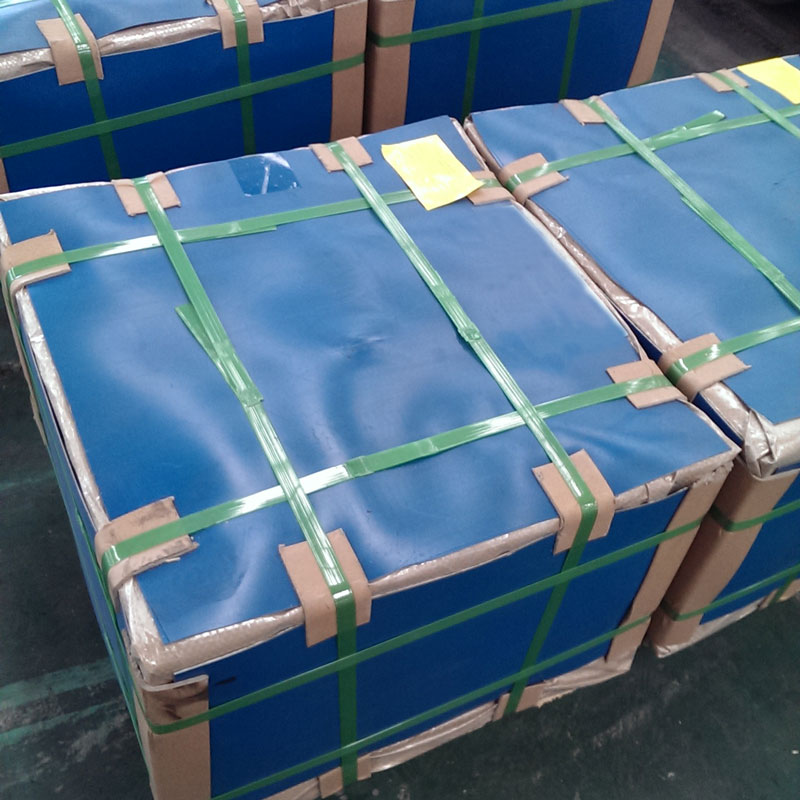
Welding Methods and Their Impact on Mechanical Properties
| Welding Method | Preheat Temperature | PWHT Required | Effect on Tensile Strength |
|---|---|---|---|
| SMAW (Shielded Metal Arc Welding) | 150-260°C | Yes | Maintains 95% of base strength |
| GTAW (TIG) | 150-260°C | Recommended | Slight reduction in hardness |
| GMAW (MIG) | 150-260°C | Yes | Comparable to SMAW results |
| Laser Welding | Not required | No | Minimal heat affected zone |
Essential Steps to Preserve Mechanical Properties
-
Preheating – Always preheat 410 Stainless Steel Sheet to 150-260°C to slow cooling rates and prevent cold cracking.
-
Low Hydrogen Process – Use low-hydrogen electrodes (e.g., E410 or E309) to reduce hydrogen-induced cracking.
-
Post-Weld Heat Treatment – Apply tempering at 650-760°C for one hour per inch of thickness, then air cool. This restores ductility and impact resistance.
-
Avoid Overheating – Keep interpass temperature below 315°C to prevent grain growth and loss of toughness.
When these steps are followed, 410 Stainless Steel Sheet welded assemblies from Qihong consistently achieve over 90% of original tensile strength and acceptable elongation values.
Frequently Asked Questions about 410 Stainless Steel Sheet Welding
Question 1: What happens if I weld 410 Stainless Steel Sheet without preheating
Answer: Welding 410 Stainless Steel Sheet without preheating leads to rapid cooling of the heat-affected zone (HAZ), forming untempered martensite. This makes the material extremely hard and brittle, increasing the risk of cold cracking immediately after welding or during service. For example, in a 5mm thick sheet, the hardness in the HAZ can jump from 250 HV to over 500 HV, reducing impact toughness by up to 70%. Qihong always recommends preheating to at least 150°C for any structural weld on this grade.
Question 2: Which filler metal works best for welding 410 Stainless Steel Sheet to itself
Answer: For joining 410 Stainless Steel Sheet to itself, type E410 or ER410 filler metals are preferred because they match the chemical composition and coefficient of thermal expansion. However, if post-weld heat treatment is not possible, Qihong suggests using austenitic fillers like E309 or E309L. These produce a ductile weld deposit that can accommodate stresses without cracking, though the weld zone will have lower hardness (around 180-220 HV) compared to the base metal’s 350-400 HV. The choice depends on whether you need matching hardness or crack resistance.
Question 3: Can I weld thin 410 Stainless Steel Sheet without losing its corrosion resistance
Answer: Yes, thin 410 Stainless Steel Sheet (under 3mm) can be welded effectively using pulsed TIG with minimal heat input and no preheat required. The corrosion resistance, however, depends on post-weld cleaning and passivation. After welding, chromium carbides may form along the grain boundaries, slightly reducing corrosion resistance in acidic environments. Qihong recommends a light tempering at 600°C for 30 minutes followed by pickling and passivation. This restores the chromium oxide layer and recovers over 95% of the original corrosion resistance, making it suitable for mildly corrosive conditions such as steam or diluted acids.
Why Choose Qihong for 410 Stainless Steel Sheet
Qihong supplies precision-rolled 410 Stainless Steel Sheet with certified chemical analysis and mechanical test reports. Every coil is traceable, and we provide welding procedure specifications (WPS) tailored to your application. Our technical team assists with preheat and PWHT parameters to ensure weld quality meets ASTM A240 standards.
Contact Us
For expert guidance on welding 410 Stainless Steel Sheet or to request a quote with custom dimensions, contact Qihong today through our website or email. Our engineers are ready to support your project with material data sheets, welding recommendations, and just-in-time delivery. Reach out now to secure the best 410 Stainless Steel Sheet for your high-performance applications.