

Are Stainless Steel Pipe Fittings the Key to Building a Safer and More Durable Piping System?
2026-02-25
When I first started sourcing components for industrial piping projects, I quickly realized that the smallest parts often determine the success of the entire system. That is exactly how I came to appreciate the value of Stainless Steel Pipe Fittings. Over the years, I have seen how Zhejiang HengDi Stainless Steel Co., Ltd. gradually expanded its product range and manufacturing capabilities to meet real-world engineering challenges. Instead of offering generic components, the company focused on refining production processes, quality inspection standards, and material traceability, which made a noticeable difference in long-term performance.
In this article, I want to share my perspective on why Stainless Steel Pipe Fittings are not just accessories, but essential structural elements in oil and gas, chemical processing, water treatment, food production, and construction systems.
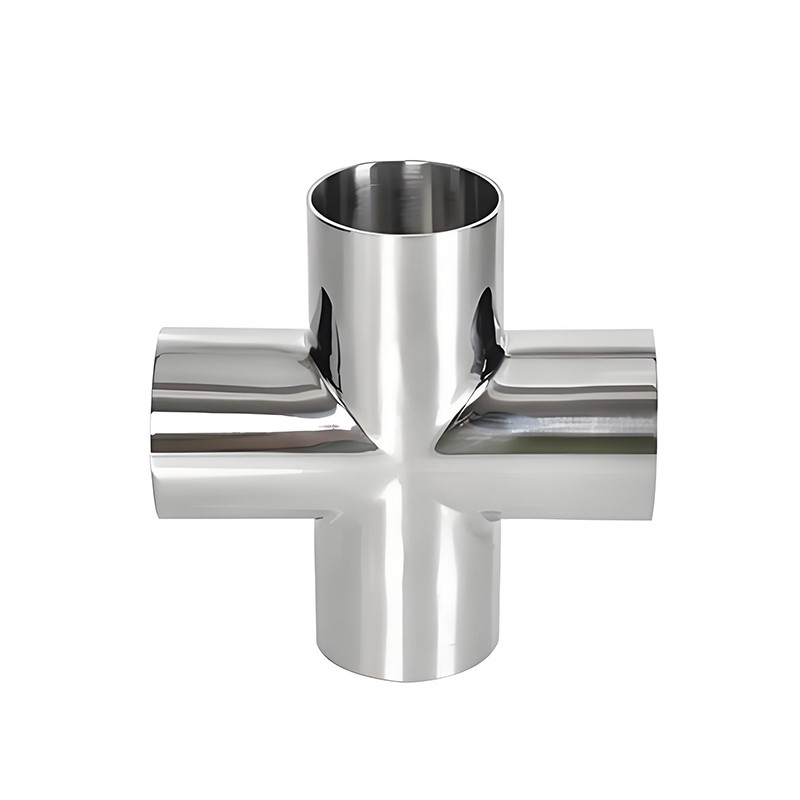
Why Do Piping Failures Often Start with the Fittings?
In many cases, I have observed that system failures rarely originate from straight pipes. The weak points are usually elbows, tees, reducers, and couplings. These components endure pressure changes, directional shifts, vibration, and temperature fluctuations. If the fittings are poorly manufactured or made from inconsistent materials, leaks and cracks can appear long before the pipe itself shows any wear.
This is why I consistently prioritize high-quality Stainless Steel Pipe Fittings. Stainless steel offers corrosion resistance, structural integrity, and excellent weldability, but only when the production process is strictly controlled. A reputable manufacturer will test chemical composition, verify dimensions, and ensure smooth surface finishes to minimize turbulence and pressure loss.
- Improper material grade selection can lead to premature corrosion
- Inaccurate threading or welding ends can cause sealing problems
- Poor surface finishing increases flow resistance
- Inconsistent wall thickness reduces pressure tolerance
Each of these issues can significantly increase maintenance costs and downtime.
How Do Stainless Steel Pipe Fittings Improve System Reliability?
I often explain to clients that reliability is not just about strength; it is about consistency over time. When I choose Stainless Steel Pipe Fittings, I am investing in long-term performance rather than short-term cost savings.
Stainless steel provides:
- Excellent corrosion resistance in humid or chemical environments
- High tensile strength under pressure
- Thermal stability across a wide temperature range
- Hygienic properties suitable for food and pharmaceutical applications
- Low maintenance requirements over the product lifecycle
In projects involving aggressive fluids or fluctuating temperatures, I have seen stainless steel fittings outperform carbon steel alternatives by a significant margin. This performance difference becomes even more evident in coastal or high-humidity environments where rust can quickly compromise other materials.
What Should I Look for When Selecting Stainless Steel Pipe Fittings?
Over time, I developed a checklist that helps me evaluate suppliers and products objectively. Price alone does not determine value. Instead, I look at several technical factors before making a decision.
| Evaluation Factor | Why It Matters |
| Material Grade | Ensures compatibility with operating environment and corrosion conditions |
| Dimensional Accuracy | Prevents leakage and simplifies installation |
| Surface Finish | Reduces friction and contamination risks |
| Pressure Rating | Guarantees safe operation under designed load |
| Certification and Testing | Provides traceability and compliance with industry standards |
When suppliers can provide detailed inspection reports, mill test certificates, and production documentation, I feel more confident integrating their Stainless Steel Pipe Fittings into critical systems.
Are Stainless Steel Pipe Fittings Cost-Effective in the Long Run?
Some buyers initially hesitate because stainless steel components typically cost more than standard carbon steel alternatives. I used to ask myself the same question. However, after calculating lifecycle costs, the conclusion became clear.
Consider the following aspects:
- Reduced frequency of replacement
- Lower maintenance labor expenses
- Minimal corrosion-related shutdowns
- Improved operational safety
- Higher resale or asset value of the system
When I account for downtime risks and repair costs, investing in durable Stainless Steel Pipe Fittings often results in lower total expenditure over time. In industries where safety and compliance are critical, the financial logic becomes even stronger.
How Do Stainless Steel Pipe Fittings Support Different Industries?
I have worked with clients from multiple sectors, and each industry presents unique challenges. What impressed me most is the adaptability of Stainless Steel Pipe Fittings across applications.
| Industry | Application Focus | Key Benefit |
| Oil and Gas | High-pressure transport systems | Strength and pressure resistance |
| Chemical Processing | Corrosive fluid handling | Corrosion resistance |
| Food and Beverage | Sanitary production lines | Hygienic surface and easy cleaning |
| Water Treatment | Long-term pipeline networks | Durability and low maintenance |
| Construction | Building infrastructure | Structural reliability |
Because stainless steel is versatile, I can standardize materials across projects while still meeting technical requirements.
What Makes a Manufacturer Truly Reliable?
From my experience, a dependable manufacturer does more than supply parts. It offers engineering support, clear communication, and consistent production standards. I value partners who understand international quality requirements and can adapt to custom specifications.
Manufacturers that invest in advanced forming equipment, precision machining, and strict quality control demonstrate long-term commitment. When I evaluate suppliers of Stainless Steel Pipe Fittings, I look for evidence of systematic inspection procedures and export experience. Reliable packaging and on-time delivery are equally important, especially for overseas projects.
Am I Ready to Upgrade My Piping System with Stainless Steel Pipe Fittings?
If you are facing leakage issues, corrosion damage, or frequent maintenance in your pipeline system, it may be time to reconsider your component selection. From my professional experience, choosing high-quality Stainless Steel Pipe Fittings can dramatically improve operational stability and reduce long-term risks.
I always recommend discussing technical requirements directly with a knowledgeable supplier who understands your industry standards. Whether you need customized dimensions, specific grades, or bulk production support, working with an experienced manufacturer makes the process smoother.
If you are planning your next project and want durable, precision-engineered solutions, I encourage you to contact us today. Leave your inquiry, share your technical drawings, or simply reach out to learn more about how our Stainless Steel Pipe Fittings can support your application. Contact us now and let us help you build a safer and more reliable piping system.