

Are Copper Eyelets the Small Detail That Makes a Big Difference?
2026-02-11
Over time, working closely with Nuote Metals Technology Co.,Ltd., I gradually realized that the right Copper Eyelets are not just accessories. They are structural elements that directly affect durability, corrosion resistance, and long-term product value. If you have ever struggled with rust stains, fabric tearing, or unreliable grommets, you already understand why material choice matters.
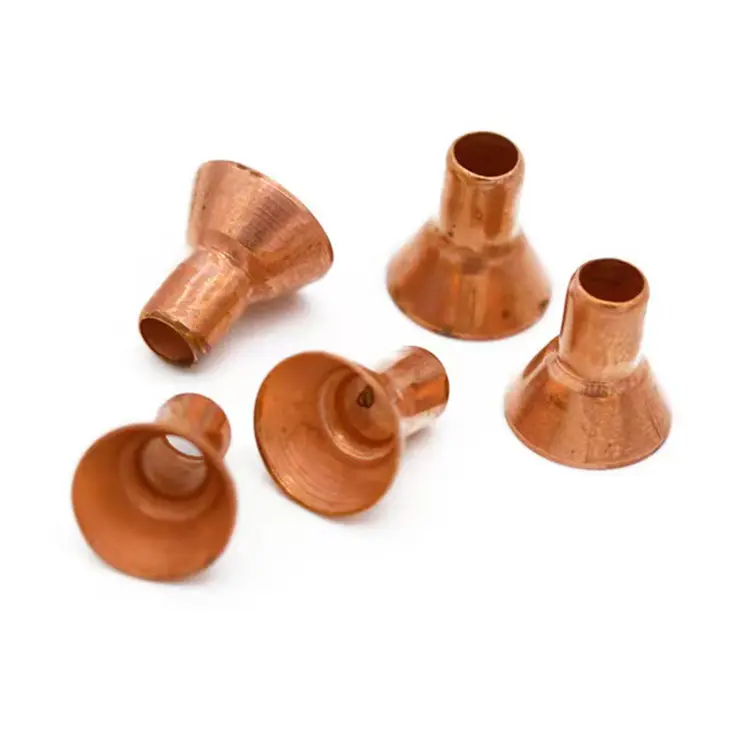
Why Do Many Projects Fail Because of Low-Quality Eyelets?
I have seen tarpaulins tear prematurely, commercial banners discolor, and marine covers corrode simply because low-grade plated eyelets were used instead of solid Copper Eyelets. Many buyers focus heavily on fabric thickness or coating strength, yet overlook the fastening points that bear tension every day.
Here are the most common pain points I encounter:
- Rust bleeding through fabric after exposure to moisture
- Cracking or deformation under high tension
- Inconsistent inner diameter affecting rope or hook compatibility
- Difficulty during installation due to poor dimensional accuracy
- Short lifecycle in marine or humid environments
In my experience, these problems usually originate from improper material selection rather than design flaws.
What Makes Copper Eyelets a Reliable Choice for Demanding Applications?
I prefer recommending Copper Eyelets for projects exposed to moisture, outdoor weather, or repetitive mechanical stress. Copper offers natural corrosion resistance without relying solely on surface plating. That makes performance more predictable over time.
From a technical perspective, here is what makes them stand out:
- Excellent corrosion resistance in humid and coastal environments
- High ductility, allowing secure crimping without cracking
- Stable conductivity for specialized electrical applications
- Attractive natural finish suitable for decorative products
- Long service life compared to thin-plated alternatives
When I evaluate lifecycle cost rather than just unit price, Copper Eyelets consistently deliver better value.
Where Can Copper Eyelets Be Applied in Real Projects?
I often work with manufacturers who produce commercial textiles, architectural fabrics, and industrial covers. The applications are more diverse than many people assume.
- Outdoor tarpaulins and heavy-duty covers
- Commercial banners and advertising signage
- Marine boat covers and dock curtains
- Tents and camping equipment
- Protective curtains for warehouses and construction sites
- Footwear and leather goods
In each of these industries, the stress concentration around the hole is significant. Using Copper Eyelets helps distribute that stress more evenly and reduce tearing.
How Do Copper Eyelets Compare with Other Materials?
I frequently compare material performance before making procurement decisions. Below is a simplified technical comparison based on my sourcing experience.
| Material | Corrosion Resistance | Mechanical Strength | Cost Stability | Typical Applications |
|---|---|---|---|---|
| Copper | High | Good ductility | Moderate | Outdoor, marine, premium textiles |
| Steel (Plated) | Medium to Low | High | Low | Indoor or short-term use |
| Aluminum | Medium | Lightweight | Moderate | Light-duty fabrics |
| Brass | High | Stable | Moderate to High | Decorative and marine use |
Although plated steel appears economical at first glance, once corrosion and replacement costs are considered, I often find Copper Eyelets to be the more sustainable option for long-term projects.
How Do I Ensure the Right Specification When Ordering?
Choosing the correct eyelet involves more than selecting a diameter. I usually confirm the following parameters before placing an order:
- Inner diameter and flange diameter tolerance
- Material thickness
- Surface finish requirements
- Compatibility with installation tools
- Fabric thickness and reinforcement type
Reliable manufacturers provide consistent dimensional control and batch traceability. That consistency reduces installation waste and improves production efficiency.
Why Does Manufacturing Quality Matter More Than Price?
In my experience, the forming and annealing process greatly affects the performance of Copper Eyelets. Poorly processed eyelets may crack during flaring or fail to grip fabric securely. Precision stamping, controlled annealing, and strict inspection standards make a measurable difference.
When I partner with suppliers who understand industrial applications rather than just bulk trading, defect rates drop and customer satisfaction improves. That translates directly into stronger brand reputation for my own clients.
Are Copper Eyelets Worth the Investment for Long-Term Projects?
Whenever I analyze total project cost, I consider maintenance, replacement frequency, downtime, and customer complaints. In demanding environments, Copper Eyelets reduce unexpected failures and preserve fabric integrity. Over time, that reliability offsets the slightly higher initial material cost.
For manufacturers focused on premium positioning or export markets, material integrity also strengthens product credibility. Buyers in North America and Europe pay attention to corrosion resistance and compliance standards. Using durable fastening components demonstrates attention to detail.
Are You Ready to Upgrade Your Fastening Components?
If you are currently facing issues with rust, tearing, or inconsistent grommet performance, it may be time to reassess your material choice. I have seen firsthand how switching to high-quality Copper Eyelets improves durability, reduces complaints, and enhances overall product value.
If you would like detailed specifications, samples, or technical consultation, please contact us today. Leave your inquiry with your required dimensions and application details, and our team will respond with a tailored solution designed for your project. We look forward to supporting your next production upgrade.