

Hydraulic Rotary Union: Which One is Reliable? Key Factors to Consider
2026-07-13
Selecting a reliable hydraulic rotary union isn't just about ticking boxes on a spec sheet—it can make or break your entire fluid power system. When downtime costs thousands per hour, you need more than promises; you need proven performance. From pressure ratings to sealing technology, every detail matters. That's where MOFLON comes in, delivering solutions that keep operations running smoothly. In this post, we cut through the noise to highlight the key factors that separate dependable rotary unions from the rest.
Material and Seal Integrity: The Foundation of Reliability
The smallest flaw in a seal can cascade into catastrophic failure. This is why material selection sits at the core of dependable design. It’s not simply about picking something off a shelf—each environment demands a tailored approach. High-pressure hydraulics might rely on polyurethane for its abrasion resistance, while aggressive chemical streams often call for perfluoroelastomers. Temperature swings, surface finish, and lubrication all weigh in. A material that hardens or swells unpredictably will betray a seal long before its rated lifespan. True reliability starts with understanding these interactions, not just glancing at a datasheet.
But the material itself is only half the equation. A perfectly chosen compound can still fail if the sealing geometry isn’t precision-engineered. Gland dimensions, squeeze percentages, and surface roughness all influence how evenly a seal contacts its mating surfaces. Even a microscopic imperfection on a shaft can create a leak path over time. Installers who overtighten or nick a ring during assembly might unknowingly shorten system life by years. Integrity hinges on matching the right form to the right function—and then treating that component with the care it deserves during assembly.
Long-term reliability demands more than initial quality; it requires a commitment to monitoring and maintenance. Seals degrade in ways that aren’t always visible—thermal cycling can slowly erode elasticity, while contaminants embed and act like sandpaper. Regular inspection under proper magnification often reveals early signs of wear that would otherwise go unnoticed. By pairing robust materials with intelligent upkeep schedules, operations can push mean time between failures far beyond conventional expectations. It’s a quiet discipline, but one that keeps critical equipment running safely and efficiently.
Pressure and Speed Compatibility: Why Mismatch Leads to Premature Failure
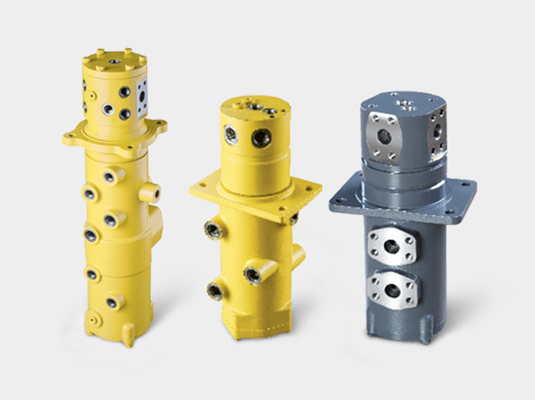
In hydraulic systems, pressure and flow velocity aren't independent variables—they're locked in a delicate balance that directly determines component lifespan. When a pump is forced to operate at high speed without corresponding pressure, cavitation bubbles form and implode on metal surfaces, eroding them in a process akin to sandblasting. Conversely, pushing high pressure through a system designed for slower fluid movement generates intense heat and turbulent spikes that accelerate seal degradation and metal fatigue. The mismatch is insidious because the damage accumulates silently until a catastrophic failure occurs—often at the worst possible moment.
Common Maintenance Missteps That Sabotage Rotary Union Lifespan
Many rotary union failures trace back to routine maintenance habits that seem harmless at first glance. Over-greasing, for instance, can force contaminants past seals or cause hydraulic lock, leading to premature wear. A lack of consistent inspection intervals means minor issues like slight drips or subtle vibrations go unnoticed until they escalate into costly repairs.
Installing a rotary union with even a slight misalignment introduces uneven loading that grinds away at bearings and seals. Using mismatched fluids or cleaning solvents can chemically attack seal materials, causing them to swell, crack, or lose elasticity far sooner than expected. Skipping the cleaning of inlet filters allows debris to score sealing surfaces, which reduces efficiency and invites leaks.
Simple adjustments to your maintenance checklist can drastically extend service life. Train technicians to recognize early warning signs, adhere to manufacturer torque specs during installation, and verify media compatibility with seal materials. Documenting each service event builds a history that helps predict and prevent future mishaps, keeping your rotary unions running smoothly for years.
Behind the Brand Promise: How to Verify Real-World Performance
A brand promise means little if it collapses under real-world pressure. Checking independent stress tests and performance benchmarks gives a clearer picture than any marketing claim. Look for how a product behaves when pushed to its limits, not just in controlled lab conditions. User forums and long-term reviews often reveal patterns that spec sheets never mention.
Field data separates genuine reliability from clever storytelling. Instead of taking case studies at face value, dig into the environments where the product actually runs—temperature extremes, heavy workloads, or constant uptime demands. Pay attention to failure rates and support call logs; these metrics don't lie. A product that survives messy, unpredictable conditions earns its reputation honestly.
Peer-to-peer communities and third-party auditors offer unfiltered insights. Seek out industries or user groups that put the product through daily abuse. Their collective experience, often shared in detailed technical breakdowns, paints a far more accurate portrait than controlled demos. Trust evolves from seeing consistent outcomes across a wide range of use cases, not from a single polished presentation.
Design Flaws to Catastrophic Failure: Lessons from the Field
In the rush to meet deadlines, the subtle whisper of a design compromise often goes unheard until it becomes a deafening roar of system collapse. I've walked through the wreckage of projects where a single overlooked stress point or an optimistic material assumption turned routine operation into a cascading disaster. The field teaches you that failures don't announce themselves with alarms—they hide in the gap between theoretical models and the messy reality of manufacturing tolerances, thermal cycling, and human error.
There's a particular sinking feeling when you realize the elegant solution drafted in a quiet office stands no chance against the chaos of actual conditions. I recall a structural joint that worked flawlessly on paper but fractured repeatedly in the field because no one accounted for how assembly crews would actually torque the bolts under time pressure. These lessons drill into you that every design must be interrogated not just for ideal performance, but for how it degrades when reality strays from specifications.
What sticks with me is the human cost behind these technical oversights. The post-mortems that keep you up at night aren't about equations—they're about the chain of decisions that prioritized ease of fabrication over resilience. Field experience reshapes your engineering intuition, turning every new project into a personal commitment to build in margin, distrust your own assumptions, and remember that the true test of a design isn't in the lab but in the unforgiving hands of the real world.
Beyond Initial Cost: Evaluating Long-Term Operational Value
It's easy to fixate on the upfront price tag, but that number rarely tells the full story. A piece of equipment might look like a bargain on day one, yet quietly drain resources through excessive energy consumption, frequent breakdowns, and costly spare parts. Shifting your gaze beyond that initial figure uncovers a different kind of value—one rooted in reliability, efficiency, and how well the asset performs year after year.
Operational value often hides in plain sight. Consider maintenance routines: a machine designed with accessible components and intelligent diagnostics doesn't just reduce repair time; it keeps your team focused on productive work instead of firefighting. Then there's energy efficiency—modern systems often pay for themselves over time simply through lower utility bills. Even the learning curve matters; intuitive controls mean less training, fewer errors, and faster adoption across shifts.
The real magic happens when you connect these dots over the asset's entire lifespan. A slightly higher upfront investment can translate into dramatically lower total cost of ownership when you factor in sustained uptime, predictable servicing, and retained resale value. It's not about spending more—it's about understanding where the true costs accumulate and making decisions that weigh today's budget against tomorrow's performance.
FAQ
A hydraulic rotary union transmits fluid under pressure from a stationary source to a rotating part, common in heavy machinery like excavators, wind turbines, and drilling equipment. It keeps the flow continuous without leaks, even under constant rotation.
Downtime from a leaking union can halt an entire operation. In offshore drilling or production lines, a failure means costly repairs and lost productivity, so a reliable seal isn't just a feature—it's essential for safety and efficiency.
The seal is the heart of the union. Multi-lip seals handle higher pressures and misalignment better. Look for designs with spring-loaded seals that compensate for wear, and avoid flat-face seals if you expect vibration or shock loads.
The body should match your fluid—stainless steel resists corrosion from water or chemicals, while carbon steel works for standard hydraulic oil. Seals made from PTFE or reinforced composites handle high temperatures without hardening or cracking.
Absolutely. High-speed applications need balanced internals to prevent heat buildup and vibration. Look for unions rated for your RPM, and consider if they use ball bearings or hydrostatic bearings to reduce friction.
Watch for slow drips, pressure drops, or unusual heat near the housing. A grinding noise suggests bearing wear, while erratic fluid flow often points to seal degradation. Catching these early prevents catastrophic leaks.
While budget unions might work for low-duty cycles, they often cut corners on seal quality and testing. Established brands typically offer better support, spare parts, and predictable service life, which pays off in critical applications.
Conclusion
When assessing the reliability of a hydraulic rotary union, the conversation starts with material and seal integrity. These components face constant stress from high-pressure fluids and rotational movement, so the choice of seal materials—whether polyurethane, PTFE, or advanced elastomers—directly determines leak resistance and service life. Yet even the best materials fail if pressure and speed ratings are mismatched to the application; exceeding these limits accelerates wear and invites sudden breakdowns. Regular maintenance is equally crucial, but many operators overlook simple steps like proper lubrication or contamination control, which silently erode performance. A union that survives in one setting can quickly fail in another due to these overlooked fundamentals.
Beyond technical specs, verifying a brand's real-world track record is essential—marketing claims can be misleading without field data or case studies that reflect actual duty cycles. Equally important are the hard-earned lessons from design flaws that trigger catastrophic failures, where a single undersized bearing or poorly routed pressure port has caused unplanned downtime costing thousands. Ultimately, a low purchase price means little if frequent replacements and production losses pile up; evaluating long-term operational value—through lifecycle costing, energy efficiency, and ease of servicing—reveals the union that truly delivers reliability. Smart buyers dig beyond catalog numbers, asking tough questions about testing, material certifications, and failure histories before trusting a rotary union to keep their systems running.
Contact Us
Contact Person: Xiangpin Li
Email: [email protected]
Tel/WhatsApp: 86 186 1706 8578
Website: https://www.moflon.com