

How Does Aluminum Checkered Plate Improve Durability and Safety in Industrial Applications?
2026-04-21
Abstract
Aluminum checkered plate is widely used across industries due to its superior durability, lightweight nature, and anti-slip performance. This article explores how aluminum checkered plates enhance safety and operational efficiency while addressing common customer concerns such as corrosion resistance, load capacity, and maintenance costs. By understanding its properties and applications, buyers can make informed decisions when sourcing high-quality materials from reliable suppliers like Sanhe—contact us to explore tailored solutions for your project needs.
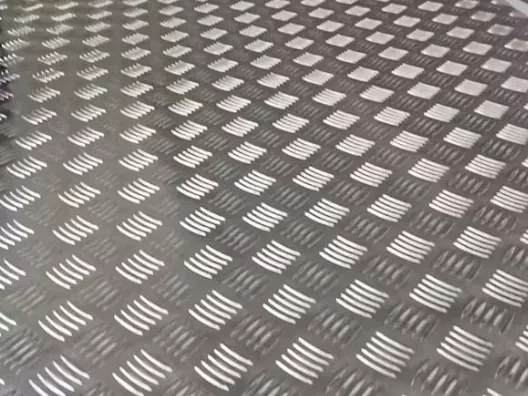
Table of Contents
- Introduction
- What Is Aluminum Checkered Plate?
- Key Benefits
- Common Applications
- How to Choose the Right Plate
- Material Comparison Table
- Maintenance Tips
- FAQ
- Conclusion
Introduction
In industrial and commercial environments, material selection directly impacts safety, longevity, and operational costs. Aluminum checkered plate has become a preferred choice due to its unique combination of strength and lightweight properties. Many buyers struggle with choosing between steel, stainless steel, and aluminum solutions, often concerned about durability, corrosion resistance, and long-term value.
This guide breaks down how aluminum checkered plates solve these challenges while delivering measurable performance advantages.
What Is Aluminum Checkered Plate?
Aluminum checkered plate, also known as aluminum tread plate or diamond plate, is a metal sheet with a raised pattern on one side. This pattern enhances grip and reduces the risk of slipping, making it ideal for flooring and transportation applications.
- Material: Aluminum alloy (commonly 3003, 5052, 6061)
- Surface: Raised diamond or bar pattern
- Finish: Mill finish, polished, or coated
Its engineered surface structure is not just aesthetic—it plays a crucial role in improving friction and load distribution.
Key Benefits
1. Enhanced Safety
The anti-slip pattern significantly reduces accidents in high-traffic or wet environments such as factories, warehouses, and transport vehicles.
2. Lightweight but Strong
Compared to steel, aluminum offers a high strength-to-weight ratio, making it easier to handle, transport, and install while maintaining structural integrity.
3. Corrosion Resistance
Aluminum naturally forms an oxide layer that protects it from rust and environmental damage, making it suitable for outdoor and marine applications.
4. Low Maintenance Cost
Unlike steel, aluminum does not require frequent painting or anti-rust treatments, reducing lifecycle costs.
5. Aesthetic Versatility
Its modern industrial appearance is widely used in architectural and decorative applications.
Common Applications
- Industrial flooring and walkways
- Truck beds and trailers
- Stair treads and ramps
- Marine decks
- Wall protection panels
- Toolboxes and cabinets
These applications highlight its adaptability across industries where safety and durability are critical.
How to Choose the Right Plate
Thickness Selection
- 1–3 mm: Light-duty applications
- 3–6 mm: Medium-duty flooring
- 6 mm+: Heavy industrial use
Alloy Consideration
- 3003: General-purpose, cost-effective
- 5052: Excellent corrosion resistance
- 6061: High strength and structural use
Surface Finish
- Mill finish for industrial use
- Polished for decorative purposes
- Coated for enhanced protection
Selecting the right combination ensures optimal performance and cost efficiency.
Material Comparison Table
| Property | Aluminum Checkered Plate | Steel Plate | Stainless Steel Plate |
|---|---|---|---|
| Weight | Lightweight | Heavy | Moderate |
| Corrosion Resistance | High | Low | Very High |
| Cost | Moderate | Low | High |
| Maintenance | Low | High | Low |
| Workability | Excellent | Moderate | Difficult |
Maintenance Tips
- Clean regularly with mild detergent to remove dirt and grease
- Avoid harsh chemicals that may damage the surface
- Inspect periodically for mechanical damage
- Apply protective coatings if used in extreme environments
Proper maintenance ensures long-term performance and preserves the material’s appearance.
FAQ
Is aluminum checkered plate suitable for outdoor use?
Yes, its natural corrosion resistance makes it ideal for outdoor and marine environments.
Can it تحمل heavy loads?
Yes, especially when thicker plates and high-strength alloys like 6061 are used.
Is it easy to install?
Due to its lightweight nature, installation is faster and requires less labor compared to steel.
Does it require painting?
Not necessarily, but coatings can be applied for aesthetic or additional protective purposes.
Conclusion
Aluminum checkered plate offers a balanced combination of safety, durability, and cost efficiency. Its anti-slip design, corrosion resistance, and lightweight structure make it a versatile solution for a wide range of applications. Whether used in industrial flooring, transportation, or architectural design, it delivers consistent performance with minimal maintenance.
For businesses seeking reliable supply and customized solutions, Sanhe provides high-quality aluminum checkered plates tailored to your requirements—contact us today to discuss your project and get expert guidance.