

Best Copper Plate: Ultimate Guide for Shining Results and Versatile Uses
2026-01-18
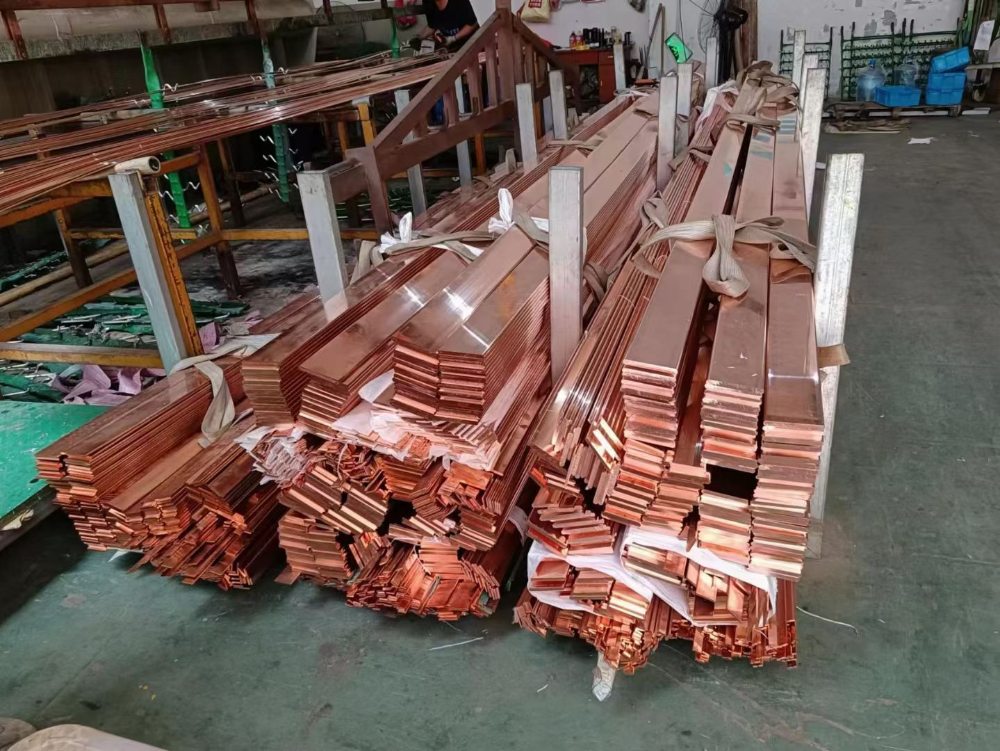
Copper plates might seem like a simple material, but their applications span from elegant home decor to cutting-edge industrial projects, offering durability and a stunning finish that few other materials can match. Whether you're a DIY enthusiast looking to elevate your crafts or a professional seeking reliable components, understanding how to choose and use copper plates effectively is key to achieving those shining results. In this ultimate guide, we'll dive into the versatile uses of copper plates, share expert tips for getting the best out of them, and highlight why they remain a top choice across various fields. As a leader in advanced materials, Jiangsu Baowu New Materials combines innovation with quality to provide copper plates that meet diverse needs, ensuring your projects not only look impressive but stand the test of time. Get ready to explore the world of copper and unlock its full potential!
Choose the Perfect Copper Plate for Your Project
Have you ever wondered why copper is such a popular choice for DIY projects and professional applications alike? Its unique properties, from stunning aesthetics to exceptional conductivity, make it a versatile material. But not all copper plates are created equal; selecting the right one can transform your work from ordinary to outstanding. Whether you're crafting custom jewelry, enhancing a kitchen backsplash, or tackling an electrical repair, understanding the nuances of copper grade, thickness, and finish ensures your project not only looks fantastic but performs reliably over time.
Dive into the specifics: consider factors like hardness and temper, which affect how easily the copper can be shaped and manipulated. For intricate artistic designs, a softer, annealed copper might be ideal, allowing for detailed bending and engraving without cracking. In contrast, structural or high-wear applications, such as architectural cladding or industrial components, often benefit from harder, cold-rolled copper that offers greater durability and resistance to deformation. Don't overlook surface finishes either—a polished shine can elevate decorative pieces, while a patina or brushed look adds character and hides minor scratches in functional settings.
Beyond the basics, think about sustainability and long-term care. Copper naturally develops a protective patina over time, which can be a desirable feature for projects aiming for an aged, rustic appeal. If you prefer to maintain the original luster, explore options with protective coatings or plan for regular cleaning with mild solutions. By aligning your choice with the project's environmental exposure and maintenance preferences, you'll ensure the copper plate remains a centerpiece of beauty and functionality, making your effort truly worthwhile.
Essential Steps to Achieve a Lasting Shine
To achieve a lasting shine, start by thoroughly cleaning the surface to remove any dirt, dust, or residues that could compromise the finish. This often involves using a gentle cleanser followed by a rinse and dry process, ensuring you avoid harsh chemicals that might cause dullness or damage over time. For instance, when dealing with wood, opt for a pH-balanced cleaner; on metal surfaces, a mild soap and water mixture works wonders.
Next, apply a high-quality polish or sealant specifically designed for longevity and even coverage across the area. Use a soft cloth or applicator to work in small sections, buffing in circular motions to enhance absorption and create a uniform glow. Regular maintenance, such as wiping with a microfiber cloth to prevent buildup, can help sustain the shine without needing frequent reapplication.
Finally, incorporate protective measures like avoiding direct sunlight or moisture exposure, and consider applying a layer of wax or other eco-friendly protectants to shield against scratches and environmental factors. This holistic approach ensures your shine stays vibrant, making the effort worthwhile for both aesthetic appeal and durability.
Creative DIY Ideas Using Copper Plates
Copper plates bring a warm, rustic charm to DIY projects, offering endless possibilities for crafting unique home decor and functional items. Whether you're creating custom wall art, personalized signs, or decorative accents, copper's malleability and rich patina make it easy to shape and distress for an aged, artistic look.
Consider crafting a stunning copper backsplash for your kitchen by cutting plates into geometric shapes and adhering them to a surface for a modern, industrial vibe. Alternatively, fashion elegant jewelry or keychains by stamping designs into small copper pieces and adding patina effects with vinegar or salt solutions.
For a more practical project, transform copper plates into stylish light switch covers or drawer pulls by drilling holes and finishing with a clear sealant to preserve the shine. These ideas not only elevate your space but also allow for personalized touches that reflect your creativity.
Maintaining Your Copper Plate's Beauty Over Time
Over the years, I've found that keeping a copper plate looking stunning isn't just about occasional cleaning—it's about understanding its unique character and embracing its evolving patina. Unlike stainless steel or porcelain, copper develops a rich, warm hue as it oxidizes, often adding to its charm rather than detracting from it. To maintain that beauty, start by gently wiping it down after each use with a soft cloth and mild soap, avoiding harsh chemicals that can strip its natural luster. For deeper tarnish, a simple paste of lemon juice and salt works wonders, restoring shine without damaging the surface. Remember, a little wear and tear tells a story, so don't aim for perfection at the expense of its personality.
What sets your copper plate apart is how you handle its aging process. Instead of constantly polishing it to a mirror finish, consider allowing a controlled patina to form in certain areas, creating a beautiful, mottled effect that highlights its artisanal quality. For display pieces, placing them in a dry area away from direct sunlight can slow oxidation, preserving that classic reddish-gold tone. If you love the vintage look, occasional exposure to air and humidity may be encouraged, but be mindful of excessive moisture which can lead to greenish corrosion. It's all about striking a balance between care and letting the metal's natural beauty shine through over decades.
In the kitchen or on a shelf, your copper plate deserves attention that goes beyond the basics. Try using specialized waxes or lacquers for long-term protection, especially if it's a cherished heirloom or decorative item. But resist the urge to over-maintain—copper's allure lies in its ability to age gracefully, much like fine wine or weathered wood. Share stories of its use in family gatherings or as a centerpiece, and you'll find that its beauty deepens with time. Ultimately, maintaining it isn't a chore; it's a way to honor the craftsmanship and history embedded in every curve and shine.
Versatile Applications in Home and Craft
From cozy living spaces to vibrant craft rooms, the adaptability of home and craft endeavors has never been more evident. Think about how a simple DIY project can transform an ordinary corner into a personalized haven or how repurposing everyday items sparks creativity and sustainability. It's all about blending functionality with artistic flair, making each creation uniquely yours while adding practical value to daily life.
In crafting, versatility shines through techniques that cross boundaries, like using scrapbooking supplies for home decor or knitting skills to fashion wearable art. This fluidity encourages experimentation, turning hobbies into sources of inspiration that enhance both personal expression and household aesthetics. Whether it's upcycling furniture or handcrafting gifts, the possibilities are as endless as your imagination.
Ultimately, the beauty of home and craft lies in its ability to evolve with trends and personal tastes. By embracing diverse methods and materials, you can tackle projects that range from quick fixes to complex masterpieces, fostering a sense of accomplishment and connection to your surroundings. It's this ever-changing nature that keeps the journey exciting and deeply rewarding.
Troubleshooting Common Copper Plate Issues
One frequent challenge with copper plates is the development of tarnish or discoloration over time, which can detract from their aesthetic appeal. This often occurs due to exposure to air, moisture, or acidic substances. To address this, gently clean the surface with a mixture of lemon juice and salt or a specialized copper cleaner, followed by thorough rinsing and drying. Regular polishing can help maintain the shine, but avoid abrasive materials that might scratch the finish.
Another issue that users encounter is warping or bending of the plates, especially if they are thin or subjected to uneven heating. This can happen during crafting or use in high-temperature environments. To prevent this, ensure even pressure and support during manufacturing, and store the plates flat in a cool, dry place. If warping occurs, carefully apply heat or pressure to reshape them, but be cautious to avoid further damage.
Lastly, pitting or corrosion spots may appear if the copper is not properly sealed or comes into contact with certain chemicals. This can weaken the material and affect its durability. To mitigate this, apply a protective lacquer or wax coating after cleaning, and avoid using harsh cleaners that can strip the surface. For existing pits, light sanding with fine grit paper may help, but severe cases might require professional restoration.
FAQ
A copper plate is a sheet of copper, often polished or treated, used for various applications from kitchenware to decorative art. In culinary settings, it's prized for its even heat distribution in cookware, while in arts, it serves as a medium for engraving and printing. Its versatility also extends to architectural accents and DIY projects, making it a popular choice for those seeking both functionality and aesthetic appeal.
Copper excels in cooking due to its excellent thermal conductivity, which allows for quick, even heating and precise temperature control. This reduces hot spots, ensuring food cooks uniformly—ideal for tasks like searing meats or making delicate sauces. Additionally, copper is durable and naturally antimicrobial, though it often requires a lining like tin or stainless steel to prevent reactions with acidic foods, enhancing safety and longevity.
To maintain a copper plate's shine, regular cleaning with a mixture of lemon juice and salt or a commercial copper cleaner can remove tarnish. For routine care, use mild soap and water, avoiding abrasive scrubbers that might scratch the surface. Applying a thin layer of wax or oil after cleaning can help protect against oxidation, preserving its luster over time. Remember to dry it thoroughly to prevent water spots.
Yes, copper plates offer many creative uses! They can be repurposed as unique serving trays, wall art, or even jewelry bases. In gardening, small copper plates deter slugs and snails. For DIY enthusiasts, they're great for making custom signs or mixed-media crafts. Their malleability allows for easy shaping, so you can experiment with projects like coasters or decorative inlays to add a rustic or industrial touch to your home.
When selecting a copper plate, consider its thickness (gauge), which affects durability and flexibility for tasks like bending or engraving. Purity levels, such as pure copper versus alloys, impact conductivity and corrosion resistance. The finish—polished, brushed, or patinated—influences aesthetics. Also, think about the intended use: thicker plates are better for heavy-duty cooking, while thinner ones suit art or lightweight décor. Budget and maintenance requirements should align with your project goals.
Copper plates can be safe for food preparation if properly lined or treated. Unlined copper reacts with acidic foods, potentially leaching metals and causing toxicity, so it's essential to use plates with a food-safe lining like tin, stainless steel, or nickel. For non-cooking uses like serving, ensure the surface is clean and free from sharp edges. Always follow manufacturer guidelines and avoid using damaged or corroded plates to prevent health risks.
Copper plates tend to be more expensive than alternatives like aluminum or stainless steel due to the material's higher cost and craftsmanship involved. However, they often justify the investment through superior performance, such as better heat control in cooking or unique aesthetic value in décor. Over time, their durability and timeless appeal can make them a worthwhile purchase, especially for enthusiasts or professionals who value quality and versatility in their tools or projects.
A common myth is that all copper plates are unsafe for food—in reality, lined versions are perfectly safe. Another misconception is that copper requires constant, difficult polishing; while it does tarnish, maintenance is manageable with simple methods. Some also believe copper plates are only for high-end use, but they're accessible for various budgets and DIY projects. Understanding these nuances helps users make informed decisions and enjoy the benefits without unnecessary worries.
Conclusion
When embarking on a copper plate project, selecting the right one is foundational. Consider factors like thickness and finish to match your needs, whether for home décor or intricate crafts. With the perfect plate in hand, achieving a brilliant shine involves essential steps like thorough cleaning, proper polishing techniques, and protective coatings that ensure lasting radiance. This synergy between choice and care sets the stage for durable, eye-catching results that stand out in any application.
Beyond shine, copper plates offer immense creative potential through DIY ideas, from framed wall art to personalized jewelry. Their versatility extends seamlessly into home and craft uses, enhancing kitchens, gardens, and artistic endeavors. To sustain this beauty, long-term maintenance tips and troubleshooting for common issues, such as tarnish or scratches, become vital. By integrating these aspects, this guide transforms copper plates into dynamic tools that blend functionality with aesthetic appeal, empowering users to craft and preserve stunning pieces effortlessly.
Contact Us
Contact Person: Zoe Liang
Email: [email protected]
Tel/WhatsApp: 86 189 2128 6299
Website: https://www.baowuchina.com
